
The best and fastest scientific methods for weight loss include controlling diet, increasing exercise, ensuring sleep, managing stress, and drinking appropriate water.

1. Diet Control
Diet control is the fundamental step in weight loss, and the key is to reduce total calorie intake rather than simply dieting. It is recommended to adopt a high protein, moderate carbohydrates, and low-fat diet, and eat more high-quality protein such as lean meat, fish and shrimp, eggs, and soy products, paired with non starch vegetables such as broccoli and spinach. Reduce the intake of refined sugar and fried foods, and replace some refined staple foods with coarse grains. One can adopt a small and frequent meal plan, with 5-6 small meals per day, which can help maintain stable blood sugar levels.
2. Increase Exercise
Increasing exercise can effectively improve calorie expenditure, and it is recommended to combine aerobic exercise with strength training. Perform 150 minutes of moderate intensity aerobic exercise such as brisk walking, swimming, or cycling per week, which can be completed in 5 separate sessions. Perform 30 minutes of strength training the next day, increasing muscle mass through activities such as squats and push ups, which can improve the basal metabolic rate of muscle tissue. Supplementing protein appropriately after exercise can help with muscle repair.
3. Ensuring adequate sleep
Ensuring sufficient sleep is crucial for weight loss. Lack of sleep can lead to an increase in ghrelin levels and a decrease in leptin secretion, increasing the risk of binge eating. Adults should maintain 7-9 hours of high-quality sleep every day, and a fixed schedule can help regulate their biological clock. Avoid using electronic devices 2 hours before bedtime, keep the bedroom dark and quiet, and keep the room temperature between 18-22 degrees Celsius.
4. Managing stress
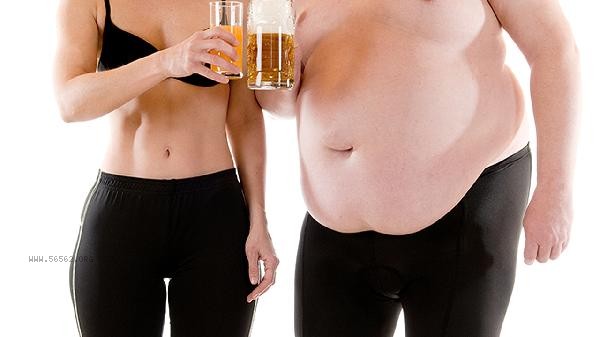
Managing stress can reduce emotional eating. Long term stress can stimulate cortisol secretion and promote fat accumulation, especially in the abdomen. Stress can be relieved through meditation, deep breathing, and progressive muscle relaxation. Cultivating hobbies such as painting and music can also help regulate emotions. If necessary, seek professional psychological counseling and establish a healthy stress relief mechanism.
5. Moderate drinking water
Moderate drinking water can promote metabolism and suppress appetite. Drink 2000-3000 milliliters of water per day, and 500 milliliters of water can be consumed 30 minutes before meals to reduce food intake. Avoid sugary drinks and choose light tea or lemon water. Water intake should be evenly distributed throughout the day, and additional hydration is required before and after exercise. Monitor urine color and maintain a light yellow color. Losing weight requires long-term adherence to a healthy lifestyle and avoiding extreme dieting or excessive exercise. Rapid weight loss in the short term may result in water and muscle loss, which is not conducive to maintaining an ideal weight. It is recommended to lose 0.5-1 kilogram per week, as this will result in more fat loss and easier maintenance. Regularly monitor changes in weight and body fat percentage, and adjust diet and exercise plans based on effectiveness. If there are special circumstances such as endocrine disorders, a personalized weight loss plan should be developed under the guidance of a doctor.









Comments (0)
Leave a Comment
No comments yet
Be the first to share your thoughts!