
Healthy weight loss can be achieved through adjusting dietary structure, increasing exercise, improving lifestyle habits, controlling emotional diet, and regularly monitoring weight. Losing weight requires scientific planning to avoid health risks caused by rapid weight loss.

1. Adjust dietary structure
Reduce intake of high sugar and high-fat foods, increase the proportion of vegetables, fruits, and whole grains, and ensure high-quality protein intake. Choosing foods with low glycemic index can help stabilize blood sugar levels and prevent increased hunger. Three meals a day should be scheduled and quantified to avoid overeating or excessive dieting. The main cooking method is steaming and stewing, reducing frying and grilling. Moderate consumption of nuts and low-fat dairy products can supplement healthy fats.
2. Increase physical activity
Engage in 150 minutes of moderate intensity aerobic exercise per week, such as brisk walking, swimming, cycling, etc. Combining resistance training 2-3 times a week to help maintain muscle mass. Increase daily activity and take more stairs and less elevators. The intensity of exercise should be gradually increased to avoid injuries caused by sudden intense exercise. Warm up and stretch before and after exercise to maintain hydration.
3. Improve lifestyle habits
Ensure 7-8 hours of high-quality sleep per day. Lack of sleep can affect the secretion of metabolic hormones. Reduce sedentary time by getting up and moving for 5 minutes every hour. Quit smoking and limit alcohol consumption to avoid affecting metabolic function. Establishing a regular sleep schedule helps maintain a stable biological clock. To manage stress levels, relaxation can be achieved through meditation, deep breathing, and other methods.

4. Control emotional eating
Identify triggering factors for emotional eating and cultivate alternative stress relieving methods to replace eating. Avoid contact with high calorie foods during emotional fluctuations. Establish a healthy association between food and emotions, without using food as a reward or comfort. Record a diet diary and analyze eating patterns. Seek professional psychological support when necessary to address the root causes of emotional problems.
5. Regularly monitor weight
Measure weight at fixed times every week and record trends instead of single data. Simultaneously measuring waist circumference and other body circumference indicators can more comprehensively reflect the weight loss effect. Avoid psychological stress caused by daily weighing. Adjust the weight loss plan in a timely manner based on monitoring results. If there is a platform period, you can consult a nutritionist to optimize the plan.
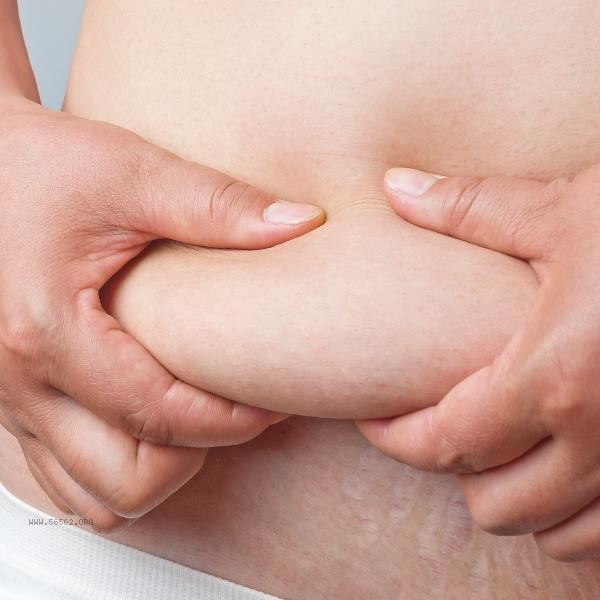
Healthy weight loss should be maintained at a steady rate of 0.5-1 kg per week, as rapid weight loss can lead to muscle loss and metabolic disorders. During the weight loss period, it is necessary to ensure daily water intake and avoid sugary drinks. Long term maintenance of a healthy lifestyle is more important than short-term extreme dieting, and establishing sustainable eating and exercise habits can effectively prevent weight regain. If metabolic diseases are combined or weight loss is difficult, it is recommended to develop personalized plans under the guidance of a doctor.








Comments (0)
Leave a Comment
No comments yet
Be the first to share your thoughts!