
The recommended daily amount of rice for an adult should be controlled between 150 grams and 300 grams, and the specific intake should be adjusted based on factors such as body weight, activity intensity, and health status. Rice as a staple food can provide energy, but excessive consumption may increase the risk of obesity. Pairing it with vegetables, fruits, and high-quality protein is more conducive to nutritional balance. A light physical activity adult weighing 60 kilograms needs about 200 grams of cooked rice per day. Rice contains about 75% carbohydrates and provides approximately 130 calories per 100 grams of cooked rice. Physical laborers or athletes can increase their intake to 250 to 300 grams, but they need to consume high protein foods and dietary fiber. For those with weak gastrointestinal function, the weight should be reduced to around 150 grams to avoid increasing digestive burden.
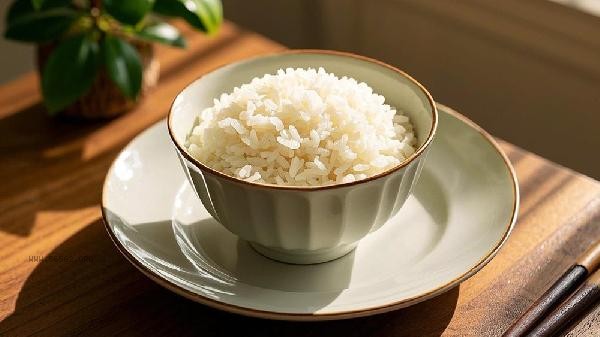
diabetes patients need to strictly control the intake of refined carbon and water. It is recommended to replace some white rice with brown rice and control the amount of rice in a single meal within 100g. People who are trying to lose weight can reduce their daily intake of rice to less than 150 grams and pair it with low sugar staple foods such as quinoa. Pregnant women can maintain about 200g intake, but pregnant women with diabetes need to follow the doctor's advice. The basal metabolism of elderly people decreases, and 150 grams of rice per day is sufficient. It is necessary to increase calcium and vitamin intake.

In addition to controlling the amount of rice, it is recommended to replace one-third of the staple food with whole grains such as oats, sweet potatoes, etc. Reducing the amount of oil and salt used during cooking, combined with green leafy vegetables and soy products, can delay the rise of blood sugar. Long term single intake of refined white rice may lead to a deficiency of B vitamins, which needs to be supplemented through grains, lean meat, and other sources. Regularly monitoring weight and blood sugar indicators, dynamically adjusting the proportion of staple foods based on body feedback is more scientific.









Comments (0)
Leave a Comment
No comments yet
Be the first to share your thoughts!