
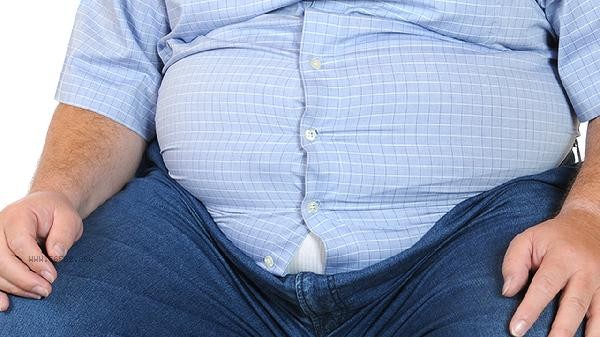
Men can effectively lose weight by adjusting their diet structure, increasing exercise, improving their lifestyle habits, controlling calorie intake, and maintaining a regular sleep schedule. Losing weight requires long-term persistence, and it is recommended to develop a scientific plan based on individual physical fitness.
1. Adjust dietary structure
Reduce intake of refined carbohydrates and high-fat foods, and increase the proportion of high-quality protein and dietary fiber. Choose whole grains instead of white rice, and use low-fat and high protein foods such as chicken breast and fish as the main source of protein. Ensure sufficient intake of vegetables and fruits daily, avoid fried foods and sugary drinks. Reasonably allocate three meals of calories, have a rich breakfast, moderate lunch, and light dinner.
2. Increase physical activity
Engage in at least 150 minutes of moderate intensity aerobic exercise per week, such as brisk walking, swimming, cycling, etc. Combining strength training 2-3 times a week, focusing on exercising large muscle groups to help increase muscle mass and basal metabolic rate. The intensity of exercise should be gradually increased to avoid injuries caused by sudden intense exercise. HIIT high-intensity interval training can be chosen to improve fat burning efficiency.
3. Improve lifestyle habits
Quit bad habits such as smoking and drinking, reduce sedentary time, and get up and move for 5 minutes every hour. Cultivate healthy eating habits, chew slowly and avoid overeating. Reducing the frequency of dining out and cooking by oneself can better control the amount of oil and salt used. Maintain sufficient sleep. Lack of sleep can affect the secretion of leptin and ghrelin, increasing appetite.

4. Control calorie intake
Calculate daily basal metabolic rate, establish a reasonable calorie deficit, and generally recommend reducing 500-750 calories per day. Accurately track intake using food scales and recording apps. Avoid extreme dieting and ensure a daily protein intake of no less than 1.2 grams per kilogram of body weight. Control snack intake and choose low calorie, high fiber foods as snacks.
5. Regular sleep schedule
Maintain 7-8 hours of high-quality sleep per day and a fixed sleep schedule. Lack of sleep can lead to an increase in cortisol levels and promote fat accumulation. Avoid staying up late and reduce exposure to blue light at night. Proper exposure to sunlight in the morning can help regulate the biological clock. When stress is too high, it can be relieved through meditation, deep breathing, and other methods to avoid emotional eating.

Patience should be maintained during the weight loss process, with a recommended weight loss of 0.5-1 kg per week. Losing weight too quickly may lead to muscle loss and metabolic decline. Regularly measure changes in body fat percentage and circumference, and do not overly focus on weight figures. If discomfort symptoms such as dizziness and fatigue occur, the plan should be adjusted in a timely manner. It is recommended to consult a professional nutritionist or fitness coach to develop a personalized plan and avoid using weight loss drugs or extreme methods. Maintaining a healthy lifestyle over the long term is necessary to maintain an ideal weight.








Comments (0)
Leave a Comment
No comments yet
Be the first to share your thoughts!