
5 pounds of turtles usually need to be raised for 5-8 years. The growth rate of turtle is affected by factors such as breeding environment, feed nutrition, variety difference, water temperature regulation, disease prevention and control, etc.
1. Breeding environment
Pond or greenhouse breeding mode directly affects the growth cycle of turtle. Outdoor pond aquaculture usually takes 1-2 years more time than constant temperature greenhouse aquaculture due to growth stagnation during the winter dormancy period. Regular monitoring is required for parameters such as water cleanliness and dissolved oxygen, as turbid water may lead to a decrease in the food intake of turtles.
2. Feed nutrition
Feeding high protein feed can shorten the breeding cycle. When the proportion of animal feed such as fish and shrimp exceeds 60%, the metabolism of turtles accelerates and the rate of shell hardening increases. Attention should be paid to the balance of calcium and phosphorus ratios, as a lack of minerals can lead to softshell disease.
3. Variety Differences
Chinese soft shelled turtle and Shanrui soft shelled turtle have different growth rates. The annual weight gain of native Chinese soft shelled turtles is about 0.6-0.8 pounds, while the annual weight gain of hybrid varieties can reach 1-1.2 pounds. When selecting seedlings, the variety characteristics should be confirmed.
4. Water temperature control
The water temperature range of 25-30 ℃ is most suitable for turtle growth. When greenhouse aquaculture is maintained at a constant temperature of 28 ℃, turtles remain active throughout the year, and the disappearance of hibernation period can shorten the aquaculture cycle by 30%. Excessive fluctuations in water temperature can easily trigger stress reactions.
5. Disease Prevention and Control
Common diseases such as skin rot and enteritis can delay growth. Regular use of quicklime to disinfect water, and addition of natural antibacterial ingredients such as allicin in feed can reduce the incidence rate. Infected individuals need to be isolated and treated in a timely manner.
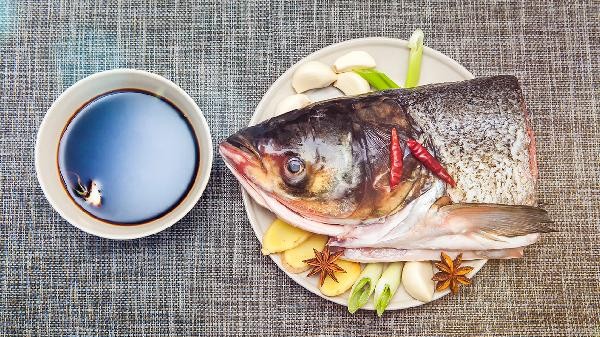
It is recommended to adopt an ecological cycle model during the breeding process, with the use of silver carp and bighead carp to regulate water quality, and the cultivation of aquatic plants to purify the water. Regularly sample and weigh to record growth curves, and adjust feeding strategies based on the data. After reaching the product specifications, adult turtles need to stop eating and clear their intestines for one week before being released to ensure that the meat is firm and compact. Note that climate differences in different regions can affect the breeding cycle, with an average 10-15% reduction in breeding time in southern regions compared to northern regions.








Comments (0)
Leave a Comment
No comments yet
Be the first to share your thoughts!