
Weight gain during menstruation is a normal physiological phenomenon, usually related to hormone fluctuations, water and sodium retention and other factors, and will gradually recover after menstruation. Weight changes are mainly influenced by changes in estrogen and progesterone levels within the receptors, and temporary weight gain may occur from one week before menstruation to the end of menstruation.

The fluctuation of estrogen and progesterone during the menstrual cycle will lead to water retention in the body. The increase in progesterone levels one week before menstruation may cause the kidneys to reduce water excretion and increase extracellular fluid volume, which may lead to weight gain. Some women may also experience increased appetite due to hormonal changes, especially an increased desire for high sugar and high salt foods, resulting in calorie intake exceeding daily needs. Pelvic congestion and mild uterine swelling can also cause weight measurements to be slightly higher than usual. In rare cases, continuous weight gain during menstruation beyond the menstrual cycle may be associated with endocrine disorders such as polycystic ovary syndrome and thyroid dysfunction. If the weight does not decrease after the end of menstruation or is accompanied by severe swelling, acne, hair loss and other symptoms, pathological factors need to be investigated. Long term use of hormone drugs or contraceptive pills may also affect metabolism and lead to abnormal weight fluctuations.
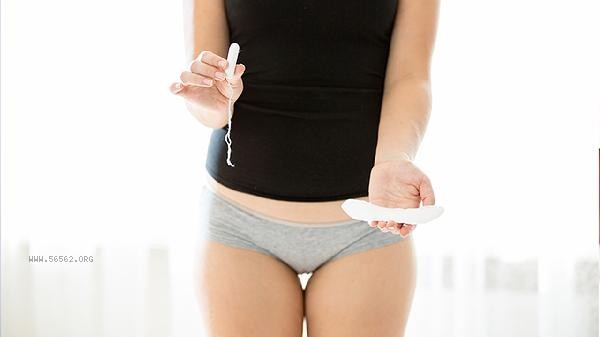
It is recommended to maintain moderate exercise during menstruation to promote blood circulation and reduce edema; Attention should be paid to the control of salt intake in diet to avoid high sugar and high-fat food aggravating water and sodium retention; Weigh at a fixed time every day to reduce measurement errors. If there is a continuous abnormal increase in weight or accompanied by other discomfort symptoms, it is necessary to seek medical attention promptly to check hormone levels and metabolic function. Menstrual weight fluctuations usually do not require special intervention, and can be naturally restored by maintaining a regular schedule and balanced diet.









Comments (0)
Leave a Comment
No comments yet
Be the first to share your thoughts!