
One hundred grams of watermelon contains approximately 30 calories. Watermelon is a low calorie, high moisture fruit that mainly contains nutrients such as carbohydrates, vitamin C, and lycopene. The calorie content of watermelon mainly comes from natural sugar, with a sugar content of about 6 grams per 100 grams, making it a low glycemic index food. Watermelon has a water content of over 90%, which can quickly replenish water and electrolytes after consumption, making it suitable for consumption after exercise or summer heat dissipation. Lycopene in watermelon has antioxidant properties, and citrulline may help promote blood circulation.
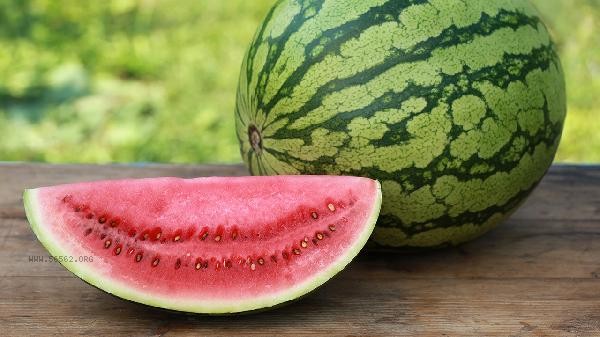
Although watermelon is low in calories, excessive consumption may lead to excessive sugar intake, especially for patients with diabetes, it is necessary to control the single consumption. Iced watermelon may irritate the gastrointestinal mucosa, and it is recommended to consume it at room temperature for those with weak gastrointestinal function. Watermelon rind and seeds also contain dietary fiber and minerals, which can be used to make cold dishes or boiled water for consumption.
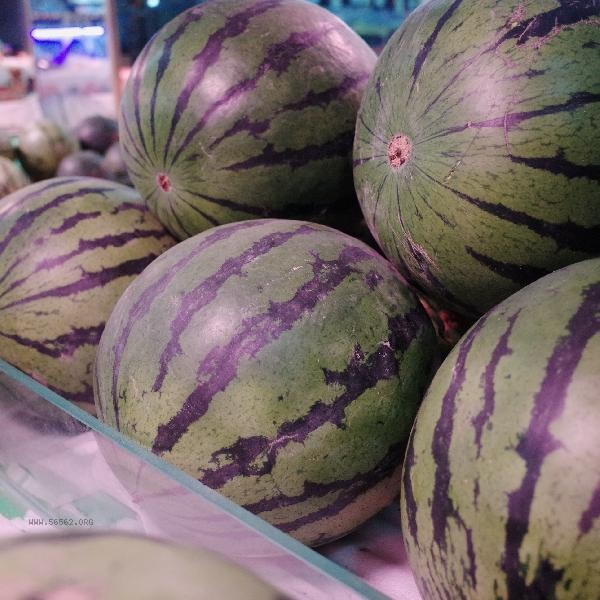
It is recommended to include watermelon as an extra or postprandial fruit and avoid consuming it in large quantities on an empty stomach. Paired with a small amount of nuts or yogurt can delay the rise of blood sugar. When selecting, choose mature watermelons with clear patterns and crisp tapping sounds, cut them open and consume them as soon as possible. Special populations such as those with renal insufficiency need to control their daily intake to avoid exacerbating their water metabolism burden.








Comments (0)
Leave a Comment
No comments yet
Be the first to share your thoughts!