
Whole body liposuction for weight loss should be performed by experienced doctors in professional medical institutions, and safety should be improved through preoperative evaluation, standardized surgical procedures, and scientific postoperative management. There are mainly five key steps: strict screening of indications, selection of formal medical institutions, doctor qualification review, intraoperative anesthesia management, and prevention and control of postoperative complications.
1. Strict screening of indications
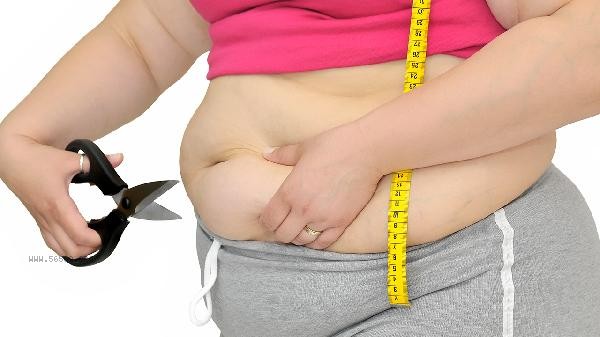
Whole body liposuction is suitable for individuals with stubborn local fat accumulation and a body mass index below 30. Patients with severe obesity, cardiopulmonary dysfunction, coagulation dysfunction, or severe skin laxity are not suitable for surgery. Preoperative blood routine, electrocardiogram, liver and kidney function tests should be completed to eliminate potential health risks.
2. Choosing a legitimate medical institution
must be done in a hospital with plastic surgery qualifications, ensuring that the operating room meets sterile standards and is equipped with emergency equipment. Be wary of non-medical institutions or beauty studios operating beyond their scope, as such places lack emergency response capabilities and are prone to serious complications such as infection and embolism.
3. Doctor Qualification Review
The chief surgeon must hold a "Physician Qualification Certificate" and a "Medical Aesthetics Chief Physician Certificate", and have more than 10 years of experience in liposuction surgery. Qualifications can be verified through the official website of the National Health Commission to avoid being misled by exaggerated propaganda. Skilled doctors can precisely control the suction volume, reducing the probability of uneven skin or internal organ damage.
4. Intraoperative Anesthesia Management
General anesthesia should be monitored by a professional anesthesiologist and vital signs should be monitored throughout the entire process. The preparation of swelling solution should strictly control the dosage of lidocaine to avoid toxic reactions. It is not recommended to exceed 3000 milliliters for a single liposuction, as excessive liposuction may lead to hypovolemic shock or fat embolism syndrome.
5. Prevention and control of postoperative complications
Within 24 hours after surgery, it is necessary to rest in a supine position and wear a compression shapewear for 3-6 months to reduce hematoma and skin laxity. If symptoms such as fever, severe pain, and difficulty breathing occur, seek medical attention immediately and check for risks such as infection and pulmonary embolism. Regular re examination can promptly detect issues such as fat liquefaction or skin necrosis.
Avoid vigorous exercise for 3 months after surgery and maintain a low salt and low-fat diet to consolidate the effect. Daily aerobic exercise such as jogging and swimming combined with strength training can maintain body shape and prevent compensatory proliferation of fat cells. Liposuction is only a shaping method and cannot replace a healthy lifestyle. It requires long-term adherence to scientific diet and exercise habits.








Comments (0)
Leave a Comment
No comments yet
Be the first to share your thoughts!