
Whole body liposuction is a plastic surgery procedure that uses negative pressure suction technology to remove excess subcutaneous fat. It is mainly suitable for people whose local fat accumulation is difficult to improve through diet and exercise. The main surgical methods include traditional negative pressure liposuction, hydrodynamic liposuction, ultrasound assisted liposuction, laser assisted liposuction, and radiofrequency assisted liposuction.
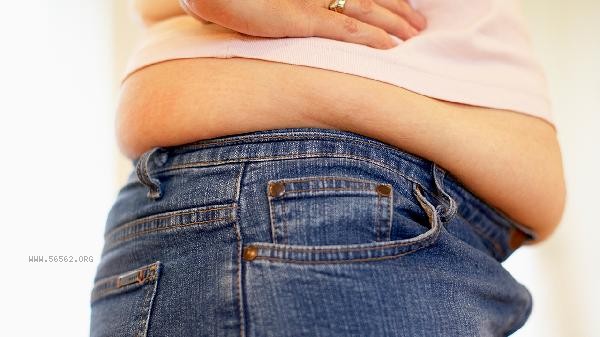
1. Traditional negative pressure liposuction
Traditional negative pressure liposuction involves inserting a metal liposuction tube through a small incision on the skin, connecting it to a negative pressure device to mechanically break up adipose tissue, and then suctioning it out. This method is suitable for areas with thick fat such as the abdomen and thighs, and the operation time is relatively short, but it may be accompanied by the risk of uneven skin or hematoma. After surgery, it is necessary to wear shapewear for 3-6 months to help the skin retract.
2. Hydrodynamic Liposuction
Hydrodynamic Liposuction uses high-pressure water flow to selectively separate adipocytes, which are then removed by low-pressure suction. Water jet can reduce vascular and nerve damage, suitable for shaping delicate parts such as the face and arms. This technique results in minimal bleeding and a recovery period of approximately 2-4 weeks, but it is important to note that postoperative lymphatic reflux disorders may cause swelling.
3. Ultrasound assisted liposuction
Ultrasound assisted liposuction uses high-frequency sound waves to emulsify fat and then aspirate it, which has a significant effect on the development of fibrous tissue in the back and male breasts. The thermal effect generated by ultrasound can stimulate collagen proliferation, but improper operation may cause skin burns or serum swelling, and energy parameters need to be strictly controlled.
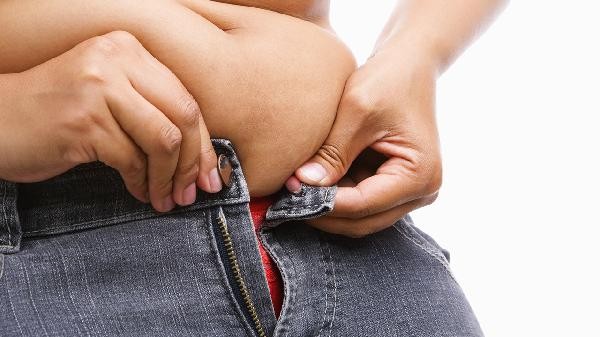
4. Laser assisted liposuction
Laser assisted liposuction uses fiber optic transmission of laser energy to liquefy fat while promoting skin tightening. Suitable for small-scale fine shaping such as double chin, knee, etc., it has the characteristics of minimal trauma and fast recovery. It should be noted that laser may affect fat survival rate and is not suitable for large-area liposuction.
5. Radiofrequency assisted liposuction
Radiofrequency assisted liposuction uses radiofrequency current to heat the fat layer and tighten the skin, which is more effective for those with loose skin. Simultaneous fat dissolution and collagen remodeling are achieved during treatment, but the equipment cost is high, and temporary numbness may occur after surgery, requiring lymphatic massage to promote recovery. After whole-body liposuction, it is necessary to keep the wound clean and dry, avoid vigorous exercise for 1-2 months, and wear medical elastic clothing to help shape. Diet should control calorie intake but ensure high-quality protein supplementation, and moderate supplementation of vitamin C can promote wound healing. Regularly review and observe fat metabolism. If there is fever, severe pain, or skin discoloration, seek medical attention promptly. Liposuction surgery cannot replace a healthy lifestyle and requires long-term maintenance of a balanced diet and regular exercise to prevent fat accumulation.








Comments (0)
Leave a Comment
No comments yet
Be the first to share your thoughts!