
The effectiveness of goji berry weight loss method still lacks scientific support. Although goji berries contain active ingredients such as goji polysaccharides, they have a high calorie content and it is difficult to achieve significant weight loss effects when consumed alone. Goji berries, as a medicinal and edible Chinese medicinal herb, do indeed have certain nutritional value. Every 100 grams of dried goji berries contains 269 calories, similar to dried fruits. Overconsumption may actually lead to excessive calories. Lycium barbarum polysaccharides may play an auxiliary role by regulating fat metabolism and inhibiting inflammatory reactions, but related research is still in the animal experiment stage and lacks clinical data support. It should be noted that some merchants claim that the goji berry meal replacement method can easily lead to nutritional imbalance, which may cause long-term problems such as fatigue and hair loss.
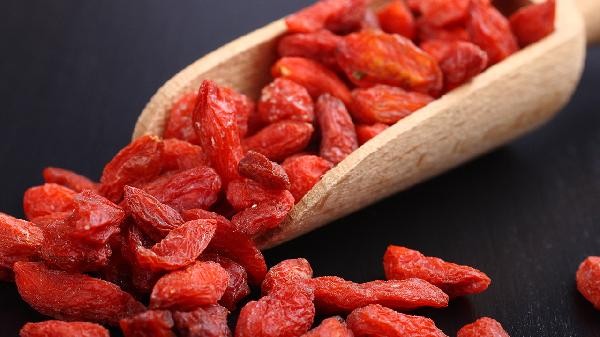
In actual weight loss, the principle of negative energy balance should be followed, and relying solely on a certain food is difficult to achieve results. The weight loss effect shown in individual cases often stems from the simultaneous implementation of dietary control or exercise plans, rather than the goji berries themselves. Some people may experience a decrease in appetite after taking goji berries, which may be related to individual differences, but cannot be used as a universal basis.
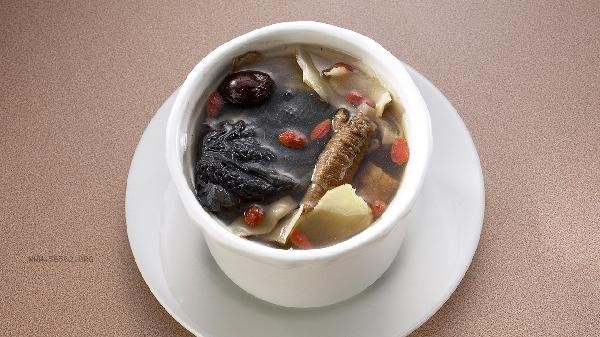
During weight loss, it is recommended to consume goji berries in moderation to supplement nutrition. The daily recommended dosage is 10-15 grams, and avoid pairing with high sugar ingredients. It is recommended to adopt scientific weight loss methods, including reasonable control of daily calorie intake, ensuring protein intake, engaging in moderate intensity exercise every week, and consulting a nutritionist to develop personalized plans if necessary. If unexplained obesity occurs, timely medical examination should be conducted to investigate pathological factors such as polycystic ovary syndrome and hypothyroidism.








Comments (0)
Leave a Comment
No comments yet
Be the first to share your thoughts!