
Dried brown sugar can be softened through methods such as heating in water, microwave, or sealing to regain moisture. The hardening of brown sugar is mainly related to water loss, improper storage environment, or changes in sugar crystal structure.
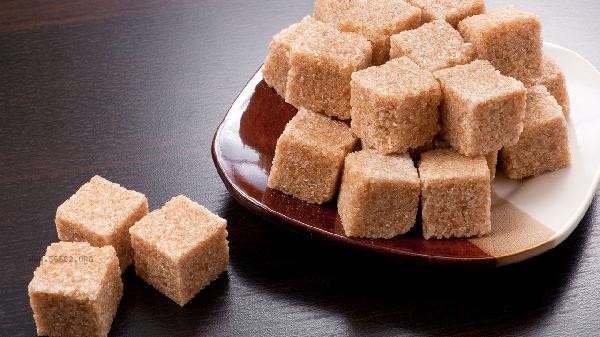
1. Heat the brown sugar in a heat-resistant container and steam it over a boiling water pot for 5-10 minutes. Steam heat can gently dissolve the surface crystals of sugar blocks and restore their soft texture. Be careful to avoid direct contact with boiling water to prevent excessive melting of sugar. After processing, it should be used as soon as possible to avoid secondary moisture and clumping.
2. Microwave Heat
Brown sugar in a microwave bowl, cover with wet kitchen paper, and heat over high heat for 20-30 seconds. Microwaves can cause sugar molecules to vibrate and generate heat, resulting in a faster softening rate. Short term operations should be carried out in stages, with each removal and flipping for inspection to prevent local coking. This method is suitable for rapid processing of small amounts of brown sugar.
3. Sealed rehydration
Brown sugar is placed in a sealed jar with apple slices or bread chunks, and the water released by fruits and vegetables will be slowly absorbed by the sugar chunks. After being left at room temperature for 12-24 hours, brown sugar can restore its toughness. This method does not destroy the original state of sugar, but it is important to note that auxiliary ingredients need to be replaced regularly to prevent mold damage.
4. Bake in the oven until soft.
Spread brown sugar on a baking tray and bake at low temperature of 60 ℃ for 5-8 minutes. Hot air circulation can evenly soften sugar cubes, suitable for processing large pieces of brown sugar. Close observation of the condition is required, and after removal, it should be broken off while still hot. High temperatures may cause sugar to char, and it is not recommended to exceed 80 ℃.
5. Roll and crush
Hard brown sugar wrapped in oil paper is rolled with a rolling pin, physically crushed, and sieved before use. Although unable to restore the original texture, it can quickly obtain usable powdered sugar. Suitable for scenarios where dissolution is required, such as brewing beverages or baking ingredients.
It is recommended to use a double-layer sealed container for daily storage of brown sugar, with a food desiccant placed inside and stored in a cool and dark place. Avoid mixing with high humidity ingredients and try to use up within 3 months after opening. Softened brown sugar is more hygroscopic due to structural changes, and it is recommended to pack and freeze it for storage. If mold or odor is found, it should be discarded and not consumed again. When cooking with ingredients such as ginger and red dates, using softened brown sugar directly is more likely to release flavor.








Comments (0)
Leave a Comment
No comments yet
Be the first to share your thoughts!