
The wax on apples mainly comes from two methods: natural fruit wax and artificial waxing. Natural fruit wax is a protective substance secreted by apples themselves, while artificial waxing is used to preserve freshness and enhance appearance, typically using food grade fruit wax.

The natural secretion of fruit wax from apple skin is a lipid substance, mainly composed of octacosanol and triacontanol. This natural wax gradually forms during the growth process of apples, covering the outer layer of the epidermal cells and playing a role in reducing water evaporation and preventing microbial invasion. The thickness of wax secreted by different varieties of apples varies, and typically apples with darker skin colors have a thicker natural wax layer. Natural fruit wax is completely harmless to the human body and does not need to be intentionally removed before consumption.
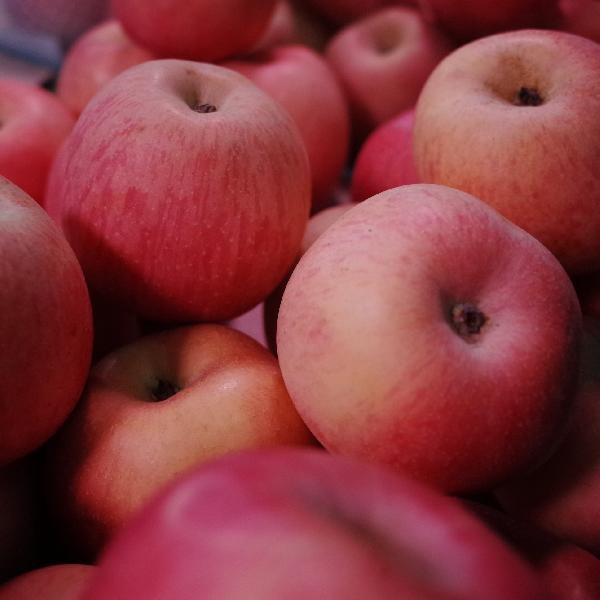
Manual waxing is a commonly used preservation technique for fruits after harvesting, often used for long-distance transportation of apples. The processing plant will use natural ingredients such as food grade insect glue, palm wax, or beeswax to form a uniform wax film on the surface of apples through mechanical spraying. This process can effectively delay fruit respiration, prevent water loss and oxidative browning, and increase skin glossiness. China's food safety standards clearly stipulate that edible materials must be used for manual waxing, and the residual amount must comply with the national standard range. Consumers can remove surface wax by washing or peeling with running water, but retaining the skin can obtain more dietary fiber and polyphenolic nutrients.

It is recommended to choose products with natural luster on the surface instead of excessive shine when purchasing apples. Before consumption, gently brush with a soft bristled brush under running water to effectively clean. For people with weak digestive function, the skin can be peeled off before consumption, but it may result in the loss of some epidermal nutrients. When storing apples, they should be placed in a cool and ventilated place to avoid high temperatures accelerating wax oxidation.








Comments (0)
Leave a Comment
No comments yet
Be the first to share your thoughts!