
The key to tofu becoming hard and not scattering lies in the water control treatment and shaping techniques during the production process. There are mainly methods such as using aged tofu, soaking in salt water, freezing treatment, high-temperature steaming, and pressing with heavy objects.
1. Choose old tofu
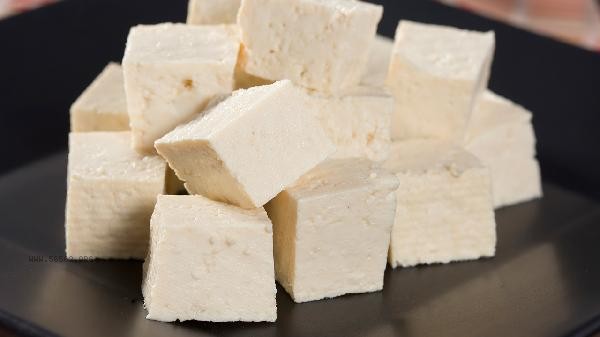
Old tofu has a low moisture content and a compact texture that is not easily broken. When purchasing, observe the cut surface of tofu. Old tofu has fewer pores and a yellowish color, making it suitable for frying or stewing. If further dehydration is required, the tofu can be spread flat on gauze and left to stand for a moment.
2. Salt water immersion
Soak the sliced tofu in moderately concentrated salt water for about 15 minutes. Salt can cause the protein network to contract and release water. This method is particularly suitable for tofu that needs to be fried later, as the surface is more likely to form a crispy shell after processing.
3. Freezing treatment
After tofu is frozen, the internal water crystallization will damage the original structure, and when thawed, water loss will form sponge like pores. Frozen tofu is suitable for stewing and cooking dishes, as it can fully absorb the soup and stay in place for a long time, but the taste will become more resilient.
4. High temperature steaming
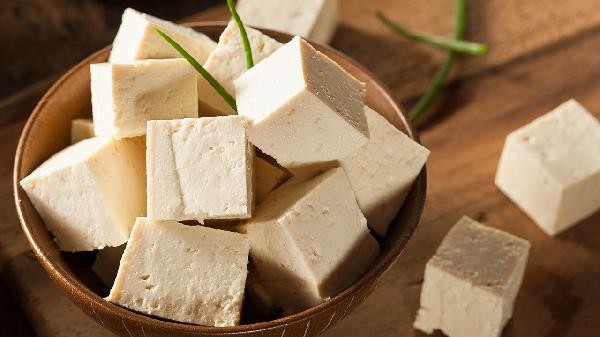
Steaming tofu for 10-15 minutes can further solidify and shape the protein. The steamed tofu has a more stable internal structure, which is suitable for dishes that need to maintain a complete shape, such as Stuffed tofu or tofu carving dishes.
5. Heavy object pressing
Pressing fresh tofu with heavy objects for 2-3 hours can squeeze out excess water. You can use kitchen paper on top and bottom of tofu, place it on a flat plate, and apply pressure with weights. This method can increase the density of tofu and is suitable for frying or making braised tofu and other flavorful dishes after processing.
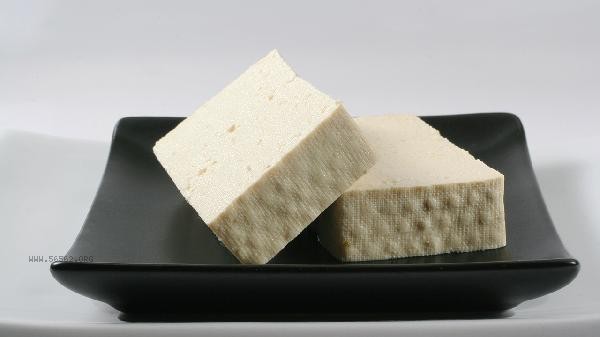
These methods can be combined and used according to the needs of the dishes in daily cooking. For example, Mapo tofu can be steamed before frying, while frozen tofu hotpot needs to be frozen in advance. Please cook the processed tofu as soon as possible to avoid repeated thawing or prolonged soaking. For those with weak digestive function, it is recommended to choose steaming isothermal and processing methods, as frozen tofu may increase the digestive burden. When storing, it is necessary to seal and refrigerate, and the shelf life of processed tofu will be correspondingly shortened.








Comments (0)
Leave a Comment
No comments yet
Be the first to share your thoughts!