
Tomatoes can become soft and ripe through natural ripening, ethylene ripening, high-temperature ripening, rice ripening, fruit mixing, and other methods.
1. Natural ripening
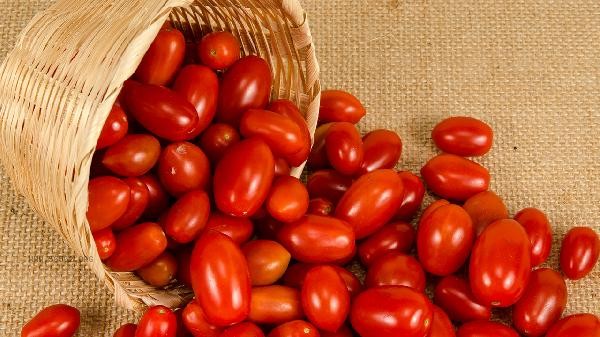
Place unripe tomatoes in a well ventilated and cool place, avoiding direct sunlight. Tomatoes themselves release trace amounts of ethylene gas, which gradually softens and ripens over time. This process takes 3-5 days and is suitable for tomatoes whose skin has already started to turn red. Pay attention to regular inspections to prevent excessive maturation and decay.
2. Ethylene ripening
uses the natural ethylene released from apples or bananas to accelerate ripening. Put tomatoes and 1-2 apples in a sealed paper bag, and increasing the ethylene concentration can shorten the ripening time to 1-2 days. Paper bags should have small holes to maintain breathability and avoid mold growth caused by excessive humidity. This method is suitable for fruits with high astringency.
3. High temperature ripening
25-30 ℃ environment can promote the conversion of tomato starch into sugar. Tomatoes can be placed on sunny windowsills or in warm kitchens, and can soften in 2-3 days at high temperatures. Be careful to avoid water loss caused by temperatures exceeding 35 ℃, and fruits with wrinkled skin should be consumed immediately.
4. Rice ripening
Rice can absorb moisture and accumulate ethylene. Burying tomatoes in dry rice and covering them can accelerate the ripening process by creating a closed space between the rice grains. Daily flipping inspection is required, and obvious softening is usually visible within 48 hours, suitable for small batch processing.
5. Mixing fruits
with later maturing fruits such as kiwifruit and pear can produce a synergistic ripening effect. The accumulation of ethylene released by various fruits can shorten the ripening cycle of tomatoes. When storing them together, they should be stored in a breathable container to avoid squeezing and damaging the skin.
When selecting ripening methods, adjustments should be made based on the initial maturity of tomatoes. Slightly red fruits are suitable for separate placement, while green and hard fruits can be assisted with ethylene. Tomatoes that have been ripened should be consumed as soon as possible, as refrigeration can inhibit the formation of flavor compounds. Fruits with damaged skin are not suitable for ripening and are prone to bacterial growth. When storing immature tomatoes in daily life, it is recommended to separate them from ethylene sensitive vegetables such as onions and potatoes. If maturity needs to be delayed, it can be placed in an environment around 12 ℃ to reduce metabolic rate.








Comments (0)
Leave a Comment
No comments yet
Be the first to share your thoughts!