
The fruits that help with weight loss mainly include grapefruit, strawberry, apple, kiwi, blueberry, etc. These fruits are low in calories and rich in dietary fiber, which helps increase satiety and promote metabolism.

1. Pomelo
Pomelo is rich in vitamin C and pectin, with only 38 calories per 100 grams. The naringin component may help inhibit fat accumulation. It is recommended to choose fresh fruit pulp for direct consumption and avoid adding sugar for juice extraction. Individuals with gastrointestinal sensitivity should be aware that consuming on an empty stomach may cause discomfort.
2. Strawberries
Strawberries have a water content of over 90% and a high dietary fiber content, which helps to slow down gastric emptying. The natural tannic acid contained may promote fat metabolism. When consuming, it is recommended to soak in water and rinse with the stem. The daily intake should be controlled within 200 grams.
3. Apples
The skin of apples contains a large amount of insoluble dietary fiber, and the characteristic of requiring sufficient chewing can enhance satiety. Apple polyphenols may help regulate blood lipid metabolism. Priority should be given to eating crispy and hard varieties with skin on. Those with excessive stomach acid should avoid eating on an empty stomach before meals.

4. Kiwi
Kiwi's protease helps with protein breakdown, and higher potassium content may help alleviate edema. Each 100g contains about 61 calories, it is recommended to cut it in half and scoop it up with a spoon to preserve more nutrients. Individuals with renal dysfunction need to control their intake.
5. Blueberries
Blueberries are rich in antioxidants such as anthocyanins, which may improve insulin sensitivity. Frozen blueberries have less nutrient loss and can be paired with sugar free yogurt for consumption. The recommended daily intake is 30-50 grams, excessive intake may cause mild diarrhea.
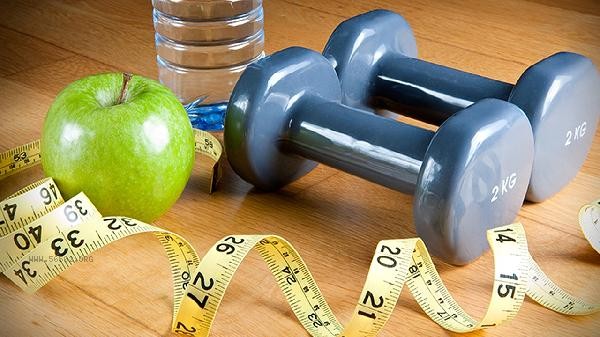
During weight loss, it is recommended to choose fresh fruits of the season and avoid processing dried fruits or juices. The total daily amount of fruits should be controlled at 200-350 grams and consumed 2-3 times. Combining moderate amounts of protein and whole grains can prolong satiety time. Eating fruits within 30 minutes after exercise can help replenish glycogen. If gastrointestinal discomfort or allergic reactions occur, stop immediately and consult a nutritionist. Long term single fruit weight loss may lead to malnutrition, and it is necessary to ensure a diversified diet.








Comments (0)
Leave a Comment
No comments yet
Be the first to share your thoughts!