
Identification of poisonous mushrooms can be achieved through five methods: observing color, checking gills, smelling odor, examining growth environment, and comparing professional guidebooks. Poison mushrooms have a similar appearance to edible mushrooms, and ingestion may lead to poisoning or even endanger life, so caution should be taken to distinguish between them.
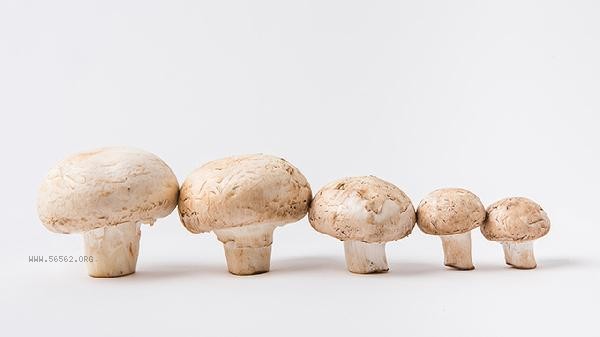
1. Observing the color
Poisonous mushrooms are usually brightly colored, such as red, orange, purple, etc., and some species have spots or stripes on the surface. But not all brightly colored mushrooms are poisonous, and some edible mushrooms may also appear brightly colored. Mushrooms with dull colors may also have toxicity, and it is necessary to make a comprehensive judgment based on other characteristics. Avoid touching or picking mushrooms with abnormal colors in the wild.
2. Check the gills.
The gills of poisonous mushrooms are mostly white or light colored, and some types of gills may change color after being injured. The gills of edible mushrooms are often brown or pink in color. When observing, gently pry open the cap to check the color and arrangement of the gills. The gills of poisonous mushrooms may be dense or irregular in shape, but this method requires some experience accumulation and has limited reliability when used alone.
3. Smell
Most poisonous mushrooms have no obvious odor or have a pungent odor, such as bitter almond flavor, chemical smell, etc. Some toxic species emit a putrid odor. Edible mushrooms usually have a fragrant or earthy aroma. However, odor identification is greatly influenced by subjective factors, and some highly toxic mushrooms may also have mild odors, which cannot be used as the sole criterion for judgment.
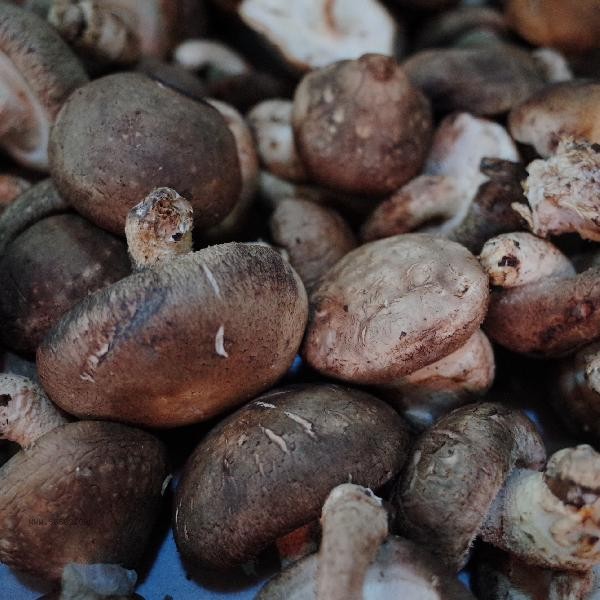
4. Check the growth environment
Poisonous mushrooms often grow in dark and damp places, such as near decaying wood, feces, or toxic plants. But some edible mushrooms also prefer similar environments. Mushrooms grown in clean soil or near specific tree species are relatively safe. environmental assessment can only serve as an auxiliary reference, as toxic and edible species may coexist in the same area. The most reliable method for comparing professional reference books is to carry a local mushroom reference book for physical comparison, with a focus on comparing details such as the shape of the mushroom cap, characteristics of the mushroom stem, and the mushroom ring. You can consult professional institutions or mushroom identification experts after taking photos. There are significant differences in the types of poisonous mushrooms in different regions, and the folk identification methods are often inaccurate and must rely on scientific identification. The most important thing to prevent mushroom poisoning is not to pick or consume unfamiliar wild mushrooms. When purchasing mushrooms, you should choose a legitimate market and confirm the safety of the variety again before cooking. After ingesting poisonous mushrooms by mistake, induce vomiting immediately and bring the remaining sample for medical treatment. Keep the vomit for testing. You can learn the characteristics of common poisonous mushrooms in the local area on a daily basis and participate in professional identification training to enhance your recognition ability. Educate children not to touch unknown mushrooms casually during outdoor activities, and promptly remove any suspicious fungi found during home gardening.








Comments (0)
Leave a Comment
No comments yet
Be the first to share your thoughts!