
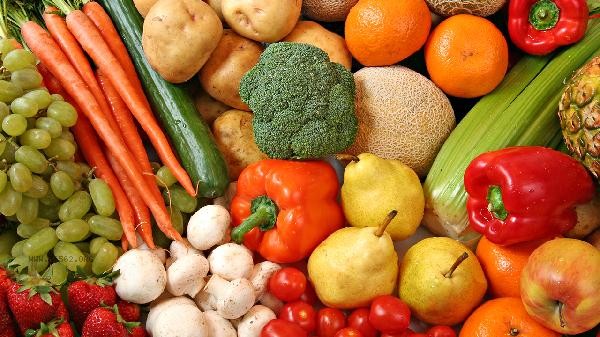
People with high body fat can consume moderate amounts of vegetables and fruits such as broccoli, spinach, apples, kiwifruit, grapefruit, etc., which can help regulate blood lipid levels. High fat content may be related to factors such as improper diet and lack of exercise, usually manifested as symptoms such as weight gain and fatigue. It is recommended to seek medical attention promptly, adjust the diet structure under the guidance of a doctor, and cooperate with appropriate exercise.

1. Vegetables
broccoli is rich in dietary fiber and glucosinolates, which can help reduce cholesterol absorption and promote liver fat metabolism. When cooking, it is recommended to steam or blanch to avoid high temperature frying that can damage nutrition. People with weak gastrointestinal function need to control their intake, as excessive intake may cause bloating.
2. Spinach
Spinach contains antioxidant components such as lutein and beta carotene, which can reduce lipid deposition in blood vessels. Pairing a small amount of nuts with cold dishes can enhance the absorption of fat soluble vitamins. Patients with kidney stones should avoid excessive consumption, as oxalic acid may worsen the condition.
III. Apples
Apple pectin can combine with bile acids to promote cholesterol excretion. It is recommended to consume it with the skin to obtain more dietary fiber. People with excessive stomach acid can choose to consume it after steaming to avoid stimulating the gastric mucosa with fruit acid. Diabetes patients need to control their daily intake.
4. Kiwi
Kiwi's vitamin C and protease can improve lipid metabolism, and post meal consumption can help break down food fat. People who are allergic to kiwifruit may experience oral pain and should try with caution. Immature fruits contain a high amount of calcium oxalate, which may pose a risk of stone formation.
5. Pomelo
Pomelo is rich in naringin and vitamin P, which can enhance capillary elasticity and inhibit fat accumulation. During the period of taking antihypertensive or lipid-lowering drugs, it is recommended to consult grapefruit as it may affect drug metabolism. Patients with gastroesophageal reflux should not consume on an empty stomach. People with high fat content should control their total calorie intake in their daily diet and prioritize low oil cooking methods such as steaming and cold dishes. It is recommended to engage in aerobic exercise every week, such as brisk walking, swimming, etc., for at least 30 minutes each time. Regularly monitor blood lipid indicators and, if necessary, use medications such as atorvastatin calcium tablets and fenofibrate capsules under the guidance of a doctor. Maintain a regular schedule and avoid staying up late, which can cause endocrine disorders and affect lipid metabolism.









Comments (0)
Leave a Comment
No comments yet
Be the first to share your thoughts!