
Losing 20 pounds in a month through exercise is usually not recommended as it may lead to health risks such as muscle loss and metabolic disorders. The recommended speed for healthy weight loss is 4-8 pounds per month, which should be combined with scientific exercise and dietary management.
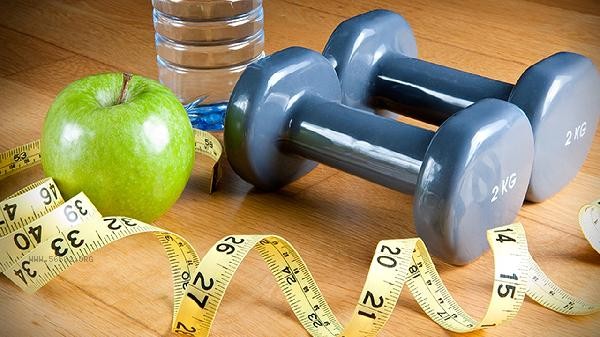
Short term weight loss mainly relies on extreme calorie deficits, such as excessive dieting or high-intensity exercise. This method can consume muscle tissue, reduce basal metabolic rate, and even cause problems such as hypoglycemia and electrolyte imbalance. Long term high-intensity exercise may cause joint damage, increased myocardial burden, and menstrual disorders in women. Unreasonable dietary control can lead to nutrient deficiencies, hair loss, dry skin, weakened immunity, and other conditions.

It is recommended to adopt a gradual weight loss strategy. Arrange 3-5 moderate intensity aerobic exercises per week, such as brisk walking, swimming, or cycling, each lasting 30-50 minutes, combined with 2-3 resistance training sessions to protect muscles. Daily diet can reduce 300-500 calories intake, maintain protein content of 20-30%, and prioritize lean meat, soy products, and low-fat dairy products. carbohydrates should mainly consist of whole grains, with a daily intake of no less than 500 grams of vegetables and fruits. Adequate sleep helps regulate leptin levels, and it is necessary to ensure 7-8 hours of high-quality sleep per day. The recommended frequency for weight monitoring is once a week, and the effectiveness of weight loss can be evaluated through changes in body fat percentage. During weight loss, if symptoms such as dizziness, fatigue, palpitations occur, the plan should be adjusted in a timely manner, and medical evaluation should be sought if necessary. Obese patients should develop personalized plans under the guidance of doctors, and those with chronic diseases should regularly monitor relevant indicators.









Comments (0)
Leave a Comment
No comments yet
Be the first to share your thoughts!