
Obesity caused by endocrine disorders can be scientifically reduced by adjusting diet, regular exercise, medication intervention, psychological regulation, and sleep management. Endocrine disorders may be related to factors such as abnormal hormone levels and metabolic disorders, and require targeted improvement.

1. Adjust diet
Reduce intake of refined carbohydrates and high-fat foods, and increase the proportion of high-quality protein and dietary fiber. Suggest choosing low glycemic index foods such as oats and brown rice, paired with broccoli, chicken breast, etc. Avoid overeating, control daily calories within a reasonable range, and stabilize blood sugar with small and multiple meals.
2. Regular Exercise
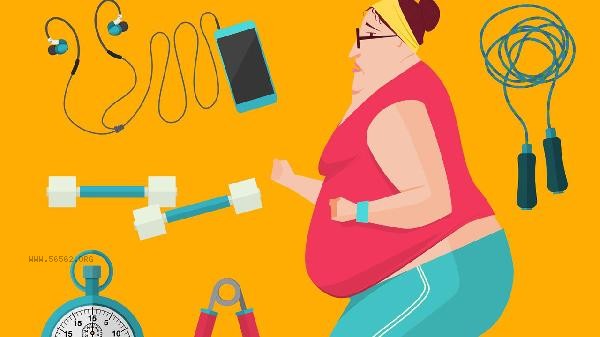
Engage in aerobic exercise such as brisk walking and swimming for at least 150 minutes per week, combined with resistance training to increase muscle mass. Exercise can improve insulin sensitivity, promote thyroid hormone secretion, and help regulate levels of leptin and ghrelin. It is necessary to gradually avoid excessive fatigue.
3. Drug intervention
For polycystic ovary syndrome, metformin sustained-release tablets can be used according to medical advice. For hypothyroidism, levothyroxine sodium tablets should be supplemented. For Cushing's syndrome, mifepristone tablets may be needed. It is strictly prohibited to take weight loss drugs by oneself, and all medication must be evaluated by an endocrinologist.
4. Psychological regulation
Long term stress can increase cortisol levels, leading to central obesity. Anxiety can be alleviated through mindfulness meditation and psychological counseling. Establish a positive body image, avoid negative emotions caused by weight fluctuations, and if necessary, undergo cognitive-behavioral therapy under the guidance of a psychologist.
5. Daily routine management
Ensure 7-8 hours of deep sleep per day, and melatonin secretion at night helps regulate growth hormone levels. Avoid staying up late and disrupting the hypothalamic pituitary axis function. A fixed sleep schedule can stabilize the biological clock and improve leptin resistance.

It is recommended to regularly monitor changes in weight, waist circumference, and body fat percentage, and record diet and exercise logs. When combining symptoms such as menstrual disorders and increased body hair, it is necessary to recheck six hormone levels. The recommended weight loss goal is to reduce 5% -10% of the original body weight per month, as excessive dieting may worsen endocrine disorders. You can consult a clinical nutritionist to develop personalized plans, and if necessary, combine traditional Chinese medicine to regulate your constitution.








Comments (0)
Leave a Comment
No comments yet
Be the first to share your thoughts!