
Whether sweet potatoes lead to weight loss or gain depends on the amount consumed and cooking method. Moderate consumption of steamed sweet potatoes can help control weight, while excessive consumption of high sugar and high oil processed sweet potato products may lead to weight gain. Sweet potatoes are rich in dietary fiber and low glycemic index carbohydrates, which can slow down gastric emptying and enhance satiety. Every 100 grams of sweet potatoes contains about 86 calories, and its dietary fiber content exceeds that of ordinary staple foods, which helps reduce subsequent food intake. When cooked by steaming or baking, the natural sweetness of sweet potatoes can satisfy the craving for sweets and avoid the intake of added sugar. The content of resistant starch in sweet potatoes increases after cooling, and this component is difficult to be absorbed by the small intestine, which can promote the balance of intestinal microbiota. Replacing refined rice and flour with sweet potatoes as a partial staple food can effectively reduce overall calorie intake. The cooking method of frying sweet potato chips or adding butter and honey can increase calorie intake several times, and a single intake of more than 300 grams may exceed daily calorie requirements. Sweet potato products such as shredded sweet potatoes can have a sugar content of up to 40 grams per 100 grams, and frequent consumption can lead to excessive sugar conversion into fat. Most commercially available sweet potato snacks undergo deep processing, resulting in a significant loss of dietary fiber and nutrients. The remaining high starch properties can easily cause blood sugar fluctuations. Some people consume sweet potatoes together with high-fat meat, and the increased fat absorption rate may offset the health benefits of sweet potatoes. Long term consumption of sweet potatoes in large quantities may lead to nutritional imbalance and actually affect metabolic function.
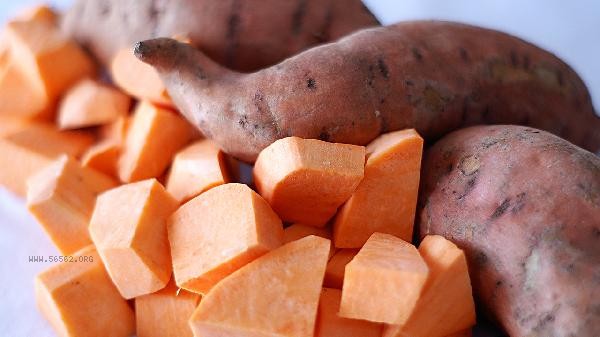
It is recommended to choose medium-sized sweet potatoes as a partial substitute for staple food, with a daily intake controlled within 200 grams, and prioritize using oil-free cooking methods. Eating with high-quality protein and green leafy vegetables can delay blood sugar rise and avoid consuming with high sugar sauces. After consumption, increasing physical activity appropriately can help with energy expenditure. For those with gastrointestinal sensitivity, they should eat in small portions and in small portions. If you need to control blood sugar or weight, you can consult a nutritionist to develop a personalized sweet potato consumption plan, while maintaining dietary diversity and regular exercise habits.








Comments (0)
Leave a Comment
No comments yet
Be the first to share your thoughts!