
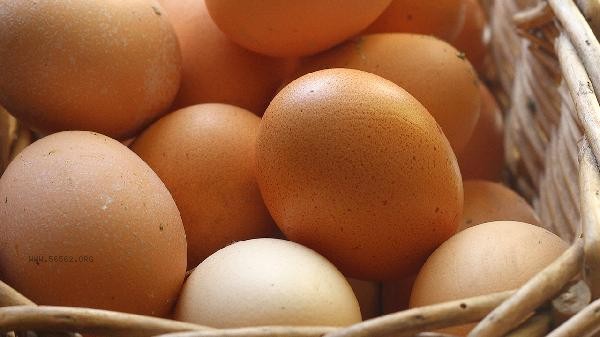
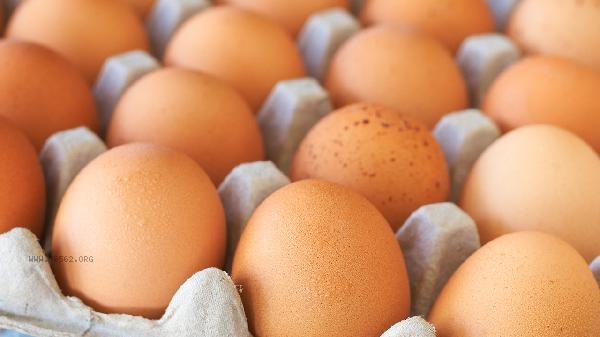
Egg custard does not belong to carbohydrates, its main components are protein and fat. Egg custard is made from eggs, and the nutritional components of eggs mainly include high-quality protein, lecithin, vitamin A, vitamin D, minerals, etc. The main ingredient of egg custard is eggs, which have extremely low carbohydrate content, with only about 1 gram of carbohydrates per 100 grams of eggs. In the process of making egg custard, only a small amount of water or milk is usually added, and the carbohydrate content in these liquids is also low. The nutritional value of egg custard is mainly reflected in providing high-quality protein and essential fatty acids, with protein content accounting for about 12% of the weight of eggs and fat content accounting for about 10%. The protein in egg custard contains all the essential amino acids needed by the human body, with a high digestion and absorption rate, making it suitable as a nutritional supplement for infants, elderly people, and postoperative recovery patients. When making egg custard, adding high carbohydrate ingredients such as starch and flour may increase its carbohydrate content. Traditional egg custard only uses eggs and water or milk, and the total amount of carbohydrates usually does not exceed 5 grams per 100 grams. For people who need to control carbohydrate intake, such as diabetes patients, they can safely eat pure egg custard without adding starch. Egg custard has a delicate and soft texture, with minimal irritation to the gastrointestinal mucosa, and is also suitable for people with weak digestive function.

It is recommended to include egg custard as a high-quality source of protein in daily diet, and pairing it with vegetables can increase dietary fiber intake. When making, shrimp, tofu and other ingredients can be added to enrich the nutritional value, but attention should be paid to controlling the amount of salt added. Although egg custard has a low carbohydrate content, it should not be consumed excessively. 1-2 eggs per day are recommended, and patients with hypercholesterolemia should reduce their egg yolk intake appropriately.








Comments (0)
Leave a Comment
No comments yet
Be the first to share your thoughts!