
Edema can indeed lead to temporary weight gain. Edema is a manifestation of abnormal accumulation of water in the body, commonly found in the lower limbs, eyelids, and other areas. It may be caused by excessive salt intake, prolonged sitting, hormonal changes during menstruation, or cardiovascular and renal diseases.
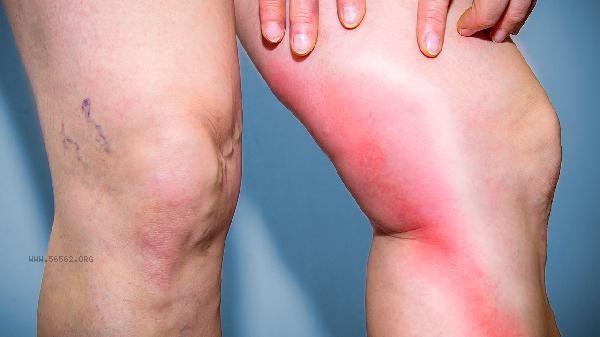
The weight gain caused by edema is mainly due to fluid retention in tissue space. When water seeps out of the blood into subcutaneous tissue, fluid accumulation can cause local swelling and lead to weight gain. This kind of weight gain has fluctuations and may be heavier in the morning and evening. Pressing on the swollen area may cause a depression. Commonly seen in lower limb edema after prolonged standing and systemic water retention after a high salt diet, it can usually be relieved by adjusting diet, raising limbs, or moderate exercise. In rare cases, the accompanying edema that continues to worsen requires vigilance against pathological causes. Obstruction of venous return during cardiac dysfunction, protein loss due to kidney disease, and myxoedema caused by hypothyroidism can all lead to stubborn weight gain. This type of edema is often accompanied by symptoms such as difficulty breathing, reduced urine output, or dry skin, and requires medical interventions such as diuretics, albumin supplementation, or hormone replacement therapy to improve.
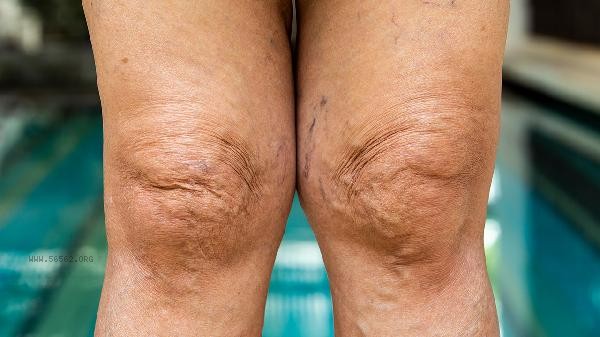
It is recommended to limit daily sodium intake to no more than 5 grams and avoid staying in the same position for a long time. Water rich foods such as winter melon and red beans can be consumed appropriately. If edema persists for more than a week, or is accompanied by symptoms such as palpitations and oliguria, timely examination of heart and kidney function and thyroid indicators should be conducted. At night, raising the lower limbs can promote reflux and avoid wearing tight clothing that hinders blood circulation.








Comments (0)
Leave a Comment
No comments yet
Be the first to share your thoughts!