
Eating apples on an empty stomach in the morning usually helps with bowel movements. Apples are rich in dietary fiber and pectin, which can promote gastrointestinal peristalsis and improve constipation problems. But people with weaker gastrointestinal function may experience discomfort and need to adjust their eating habits according to their individual constitution.
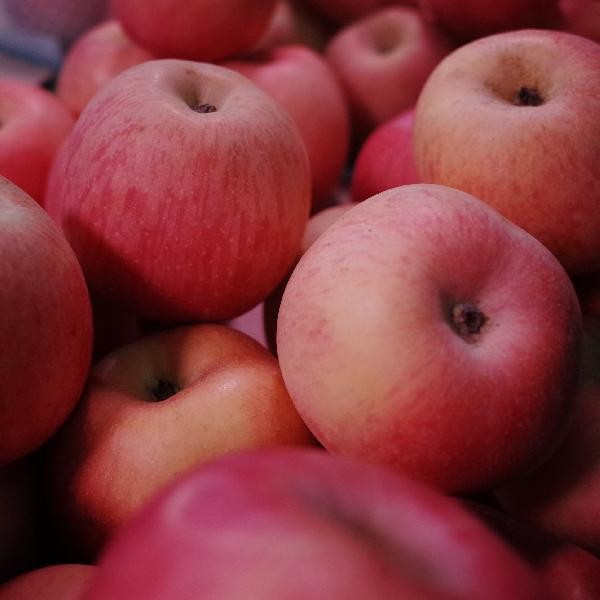
The dietary fiber in apples can be divided into soluble and insoluble. If the soluble fiber can absorb water and form gel like substance, it can soften feces and increase the volume. Insoluble fibers directly stimulate the intestinal wall and accelerate the frequency of peristalsis. A medium-sized apple contains about 4 grams of dietary fiber, which accounts for approximately 15% of the recommended daily intake for adults. The fiber content in apple peels is particularly rich, and it is recommended to wash them and consume them with the peels for better results. Under fasting conditions, the absorption efficiency of the gastrointestinal tract is higher, and consuming apples at this time can maximize the use of its pro defecation components. Some individuals, such as those with irritable bowel syndrome or those with excessive gastric acid secretion, may experience discomfort such as bloating and acid reflux when consuming apples on an empty stomach. This group of people can pair apples with other foods such as oats and yogurt, or choose to eat between meals. The natural sugar in apples is absorbed quickly on an empty stomach, so patients with diabetes need to pay attention to monitoring the changes in blood sugar. Children and elderly people with weak digestive function are recommended to cut or steam apples before consumption to reduce gastrointestinal irritation.

Long term constipated individuals can try incorporating apples into their breakfast diet, combined with sufficient water intake, for a more significant effect. Daily moderate exercise such as brisk walking, yoga, etc. can enhance intestinal motility in conjunction with dietary fiber. If constipation persists for more than two weeks after adjusting the diet, or is accompanied by symptoms such as abdominal pain and bloody stool, it is necessary to seek medical attention promptly to check for organic diseases. In daily diet, foods rich in dietary fiber such as broccoli and chia seeds can be added to form a diversified dietary structure.









Comments (0)
Leave a Comment
No comments yet
Be the first to share your thoughts!