
Drinking more water can help with weight loss to some extent, but it needs to be combined with dietary control and exercise.

Water intake is beneficial for promoting metabolism, helping with fat breakdown, and drinking water can also increase satiety, reduce food intake, and indirectly control calorie intake. Drinking water before meals can temporarily fill the stomach volume and reduce the willingness to eat later. Adequate intake of water also helps maintain normal kidney function, promote the elimination of metabolic waste, and avoid a decrease in basal metabolic rate due to dehydration. Maintain a daily water intake of 2000-3000 milliliters and drink in multiple portions for better results.
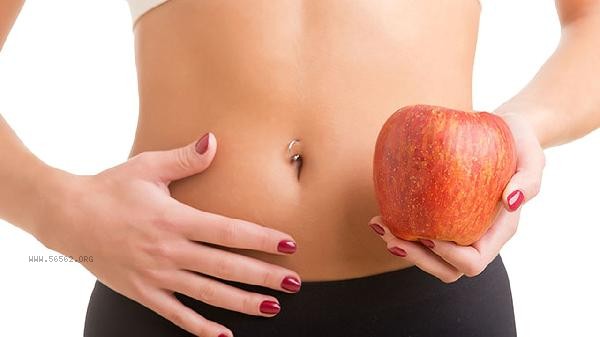
Relying solely on drinking a large amount of water cannot achieve weight loss goals, and excessive drinking may lead to adverse reactions such as water poisoning. Consuming too much water in a short period of time can easily cause problems such as cell edema and electrolyte imbalance. Excessive drinking water can increase the burden on the kidneys and dilute gastric juice, affecting digestive function. The auxiliary effect of drinking water on weight loss varies among individuals, and it is necessary to arrange time and water intake reasonably based on individual physical characteristics.
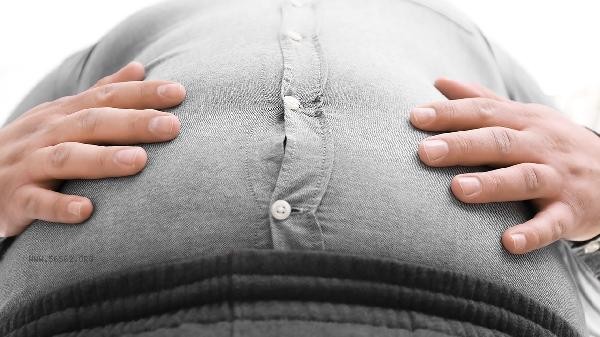
It is recommended to cultivate regular drinking habits on the basis of controlling total calorie intake and moderate exercise. Develop the awareness of constantly replenishing water and avoid drinking large amounts of water only after prolonged thirst. Prioritize plain water or light tea water and reduce the intake of sugary drinks. Can be equipped with a portable water cup to record daily water intake, pay attention to observing changes in urine color to determine if hydration is sufficient. During weight loss, it is also important to pay attention to protein and trace element intake to ensure balanced nutrition.








Comments (0)
Leave a Comment
No comments yet
Be the first to share your thoughts!