
The impact of blood glutinous rice on the gastrointestinal tract varies from person to person. Moderate consumption can nourish the stomach for those with normal gastrointestinal function, while excessive consumption may harm the stomach for those with weak digestive function. Blood glutinous rice is rich in dietary fiber, B vitamins, and iron elements, and its viscous properties may have a dual effect on the gastrointestinal mucosa. The content of amylopectin in blood glutinous rice is relatively high, and the gelatinous substance formed after steaming helps to cover the gastric mucosa and reduce the stimulation of gastric acid on the stomach wall, making it suitable for people with excessive gastric acid secretion. The antioxidant components such as anthocyanins contained in it can help alleviate stomach inflammation, and dietary fiber can promote intestinal peristalsis and prevent constipation. It is recommended to mix blood glutinous rice and rice in a ratio of 1:3 and cook them thoroughly. After soaking, extend the cooking time to more than 40 minutes to fully gelatinize the starch and make it easier to digest. Patients with active peptic ulcers or acute exacerbation of chronic gastritis who consume excessive blood glutinous rice may experience worsening symptoms of bloating and acid reflux. The resistant starch in blood glutinous rice ferments in the intestine to produce gas, and those with insufficient gastrointestinal motility are prone to bloating. Patients in the postoperative recovery period or with irritable bowel syndrome should control their intake, with a single consumption not exceeding 50 grams, and avoid consuming high-fat foods to increase digestive burden. People with fragile gastrointestinal tract can choose fermented blood glutinous rice products, such as wine or rice cakes, where some of the starch has been broken down into small molecular substances.
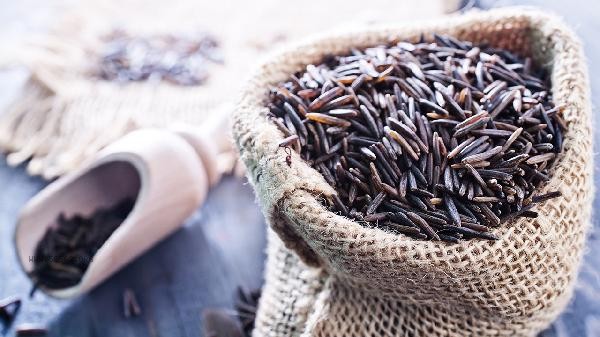
Eating blood glutinous rice should be adjusted according to one's own gastrointestinal condition. Healthy individuals should consume 3-4 times a week, with no more than 100 grams per time. Patients with gastrointestinal diseases are advised to try small amounts first and observe bowel movements and bloating. Paired with spleen strengthening ingredients such as yam and pumpkin, it can enhance the stomach nourishing effect and avoid eating with cold foods. When experiencing persistent stomach pain or indigestion, consumption should be suspended, and if necessary, a gastroenterologist should be consulted for gastrointestinal function assessment.









Comments (0)
Leave a Comment
No comments yet
Be the first to share your thoughts!