
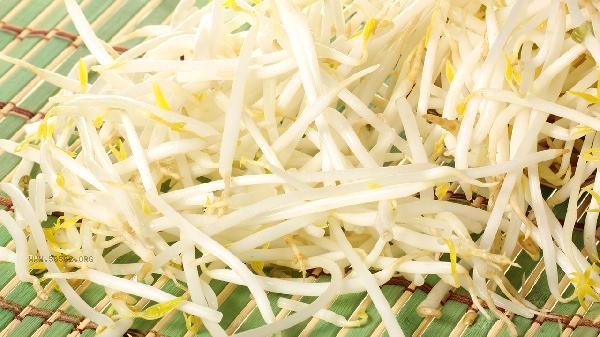
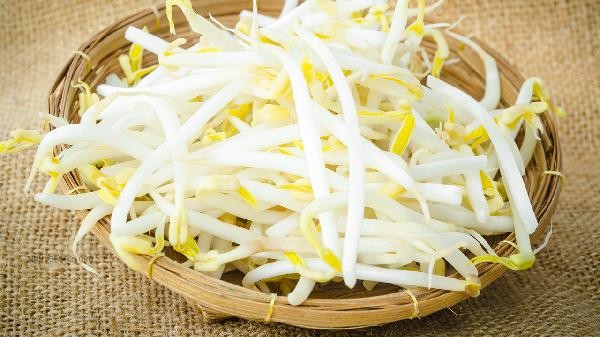
Bean sprouts belong to vegetables and contain a small amount of carbohydrates. Bean sprouts are the tender sprouts of bean seeds that have sprouted. Their main nutritional components include dietary fiber, vitamin C, B vitamins, and minerals. The carbohydrate content of bean sprouts is relatively low, with about 4 grams of carbohydrates per 100 grams of yellow bean sprouts and about 3 grams of carbohydrates per 100 grams of green bean sprouts, far lower than the carbohydrate content of staple foods. Bean sprouts have a high content of dietary fiber, which can promote gastrointestinal peristalsis and aid digestion. Bean sprouts also contain rich plant protein and various trace elements, such as potassium, magnesium, iron, etc., with high nutritional value. Although bean sprouts contain a small amount of carbohydrates, their main nutritional components and consumption methods are more in line with the characteristics of vegetables. In daily diet, bean sprouts are often used as a side dish for cold dishes, stir fried dishes, or soups, similar to the way leafy vegetables and root vegetables are consumed. From a nutritional classification perspective, bean sprouts belong to non starch vegetables and are suitable for people who need to control their carbohydrate intake.
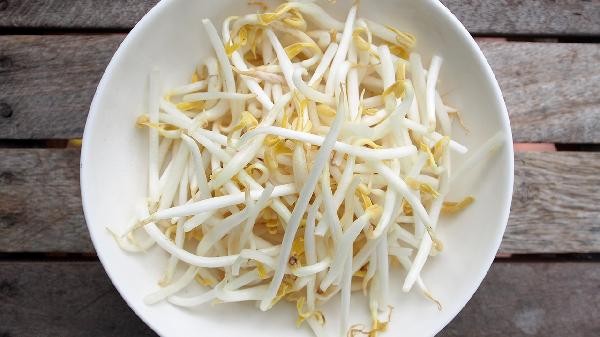
It is recommended to include bean sprouts in daily vegetable intake and pair them with other dark colored vegetables. Bean sprouts are rich in water and dietary fiber, with low calories, making them suitable for consumption during weight loss. When cooking, be careful to avoid high temperatures and prolonged heating to preserve more vitamins. People with spleen and stomach deficiency and cold should not consume excessive amounts of raw bean sprouts. It is recommended to blanch them before cooking. Maintaining a diverse combination of bean sprouts and other vegetables in daily diet can help balance nutrient intake.








Comments (0)
Leave a Comment
No comments yet
Be the first to share your thoughts!