
For frozen dumplings, it is recommended to cover the pot and cook the filling. Use steam circulation to accelerate the thawing of the filling and avoid the cooked skin and raw filling. The key control factors for cooking frozen dumplings include adjusting the heat, sufficient water volume, adding water midway, avoiding adhesion, and observing the floating state.
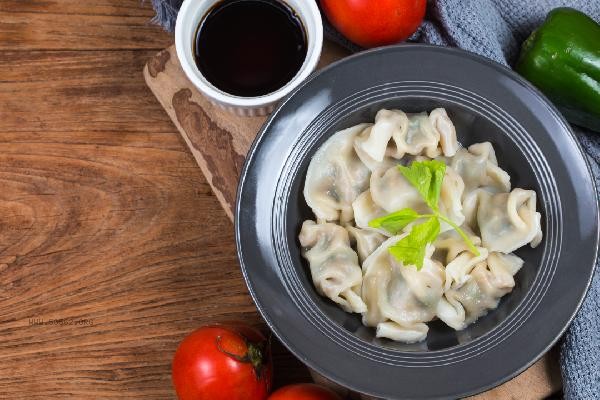
Covering the pot for cooking can create a sealed high-temperature environment, promoting steam to penetrate the dumpling skin and reach the filling directly. After boiling over medium heat, reduce the heat to low to maintain a slight boiling state. The continuous convection of water vapor in the pot can evenly heat the filling, especially for ingredients with slow thermal conductivity such as meat, which has a significant effect. The amount of water should completely cover the dumplings. When boiling, add a small amount of cold water to cool down. Repeat this process two to three times, using the temperature difference to promote an increase in the center temperature of the filling. Before putting frozen dumplings into the pot, gently shake them to remove surface ice crystals. After the water boils, slowly push them along the edge of the pot to prevent sticking to the bottom.
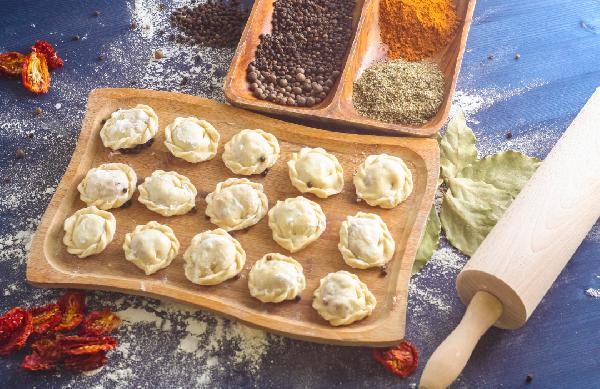
Although opening the lid and cooking can visually observe the condition of the dumpling skin, the heat is concentrated in the soup, causing the skin to quickly gelatinize. insufficient heating of the frozen filling can easily result in a soft exterior and an icy interior. If the dumpling skin is too thin or cracked when frozen, continuous boiling may cause the skin to break and the filling to leak. Due to the optimization of the skin filling ratio, commercial frozen dumplings have less impact on the integrity of the finished product when boiled with the lid open. However, it is still recommended to prioritize boiling homemade frozen dumplings with the lid closed. During the cooking process, gently push the dumplings with a spoon to avoid sinking and sticking to the bottom, which may affect the uniformity of heating.
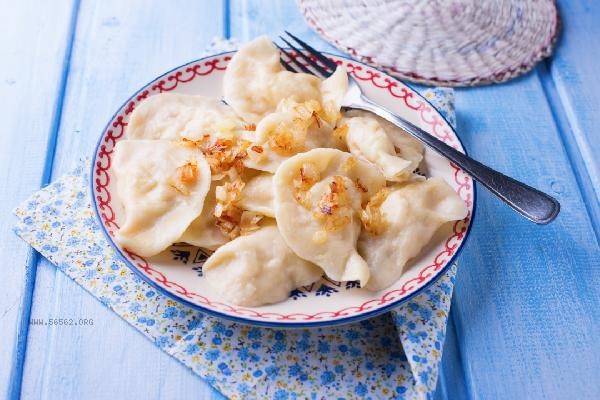
When cooking frozen dumplings, you can pair them with scallion ginger water or a small amount of salt to enhance the toughness of the dough. Before serving, drizzle a little sesame oil to reduce sticking. For those with weak gastrointestinal function, it is recommended to extend the cooking time appropriately to ensure that the filling is fully cooked. When storing the remaining frozen dumplings, they should be arranged individually to avoid clumping. When cooking again, they can be placed directly in cold water and slowly heated to reduce the risk of skin and filling separation. When consumed, pairing with aged vinegar or minced garlic can not only aid digestion, but also balance the loss of freshness in frozen ingredients.








Comments (0)
Leave a Comment
No comments yet
Be the first to share your thoughts!