
Generally, cooking noodles does not require a lid, but it needs to be adjusted according to the type of noodles and cooking purpose. Not covering the pot lid can prevent overflow and maintain the chewy texture of the noodles, while covering the pot lid can accelerate cooking or soften thicker noodles.
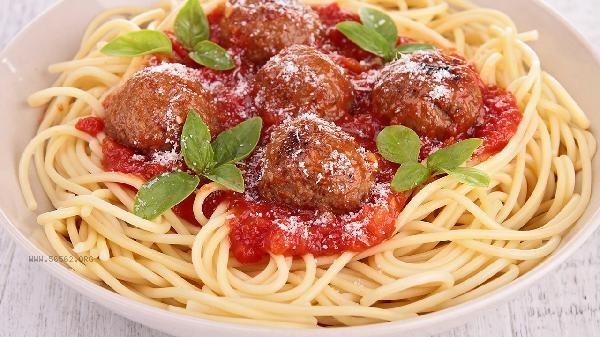
It is recommended not to cover the pot during the entire process of cooking thin noodles or hanging noodles. After the water boils, add noodles, and open the lid to boil, which can quickly release steam and avoid overflow of starch foam. The continuous rolling water flow at the same time evenly heats the noodles, making the surface less prone to sticking and resulting in smoother noodles. If the heat is too high during the cooking process, it can be adjusted to a lower level or cold water can be added to control the boiling degree.
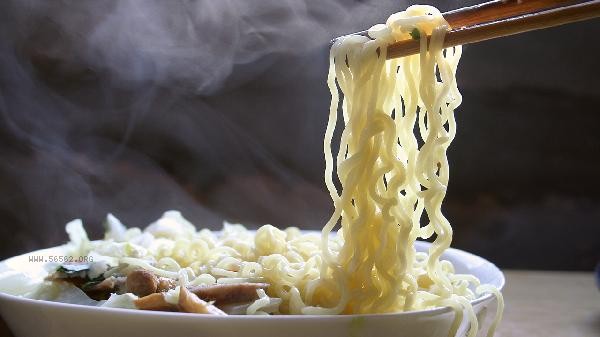
When cooking coarse noodles or requiring a soft and tender texture, briefly cover and accelerate the heating process. If cooking udon noodles or rolling noodles by hand, covering the pot lid initially helps the water temperature quickly rise to boiling, but the lid needs to be opened immediately after the water boils. For groups such as the elderly and children who require soft food, they can cover the pot and simmer for the last 1-2 minutes, but close observation is needed to prevent sticking to the bottom. Noodles made with high gluten flour have strong boiling resistance, and brief covering has little effect on the taste. When cooking noodles, the amount of water should be sufficient, and it is recommended that the volume ratio of water to noodles be 5:1. Regardless of whether the pot is covered or not, use chopsticks to gently stir during the cooking process to prevent sticking. The cooked noodles should be immediately supercooled or mixed with oil to stop the gelatinization reaction caused by residual heat. Special noodles such as buckwheat noodles are prone to breakage and need to be boiled over low heat throughout the entire process. If using tightly sealed appliances such as electric cookers, it is recommended to keep the lid open throughout the entire process to avoid pressure accumulation.








Comments (0)
Leave a Comment
No comments yet
Be the first to share your thoughts!