
Ass hide glue cake can be boiled with maltose instead of traditional rock sugar or rice wine, but attention should be paid to the difference in taste and efficacy. Maltose has low sweetness and strong viscosity, which may affect the softness and hardness of the finished product. In the traditional formula, rock sugar helps to close ass hide glue, while yellow rice wine can enhance the absorption of drug effects. Maltose, as a natural syrup, contains small amounts of minerals and maltooligosaccharides, making it suitable for people who need to control their intake of refined sugars. Its mild nature will not damage the effect of ass hide glue on enriching blood and yin, but the heat should be adjusted to avoid coking during boiling. It is suggested that the amount of maltose should be controlled within one-third of the amount of ass hide glue, and the mixing time should be extended to make the texture even. Some individuals with damp and hot constitution should be cautious, as maltose may exacerbate phlegm dampness.
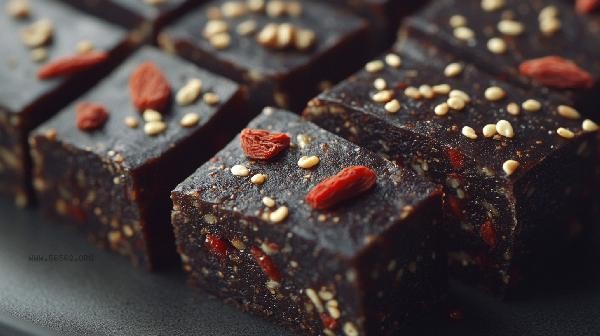
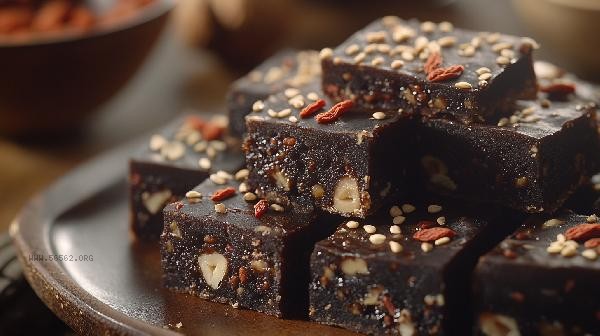
The ass hide glue cake boiled with traditional rock sugar is easier to form and has a long storage period. The cool property of rock sugar can neutralize the warm dryness of ass hide glue. If maltose is used as a substitute, it is recommended to add a small amount of osmanthus or wolfberry to balance the flavor. The finished product should be refrigerated and consumed within two weeks. Patients with diabetes should not choose the maltose version, but can use xylitol and other sugar substitutes.
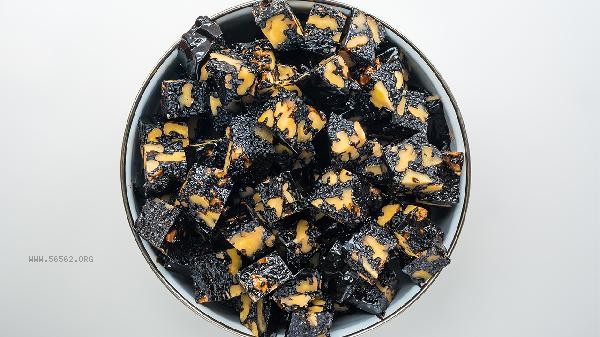
It is recommended that the ass hide glue block be powdered first, then stewed with maltose in water, and then compacted and shaped after adding auxiliary materials such as walnuts and black sesame. When consumed, do not exceed 20 grams per day, and pair with warm water for better absorption. Individuals with special constitutions should consult a traditional Chinese medicine practitioner before use. During menstruation and colds, consumption should be temporarily suspended. When storing, attention should be paid to moisture and mold prevention.








Comments (0)
Leave a Comment
No comments yet
Be the first to share your thoughts!