
Fresh yellow cauliflower is generally not recommended for direct consumption and needs to be blanched to remove toxic components before consumption. Fresh yellow flowers contain colchicine, which may cause toxic reactions such as gastrointestinal discomfort.
Fresh yellow flowers contain colchicine, which is converted into colchicine in the human body and has a strong stimulating effect on the gastrointestinal mucosa. Eating untreated fresh yellow cauliflower may cause symptoms such as nausea, vomiting, abdominal pain, and diarrhea. In severe cases, it may lead to dehydration or electrolyte imbalances. The traditional way of consumption is to blanch fresh yellow cabbage and soak it in water, then decompose most of the colchicine by soaking it in high temperature and clean water. The blanching time needs to be long enough, and it is usually recommended to blanch in boiling water and then soak in clean water for several hours.

Some special varieties of yellow flowers have lower colchicine content after artificial cultivation, but still need to be handled with caution. This type of variety is planted in specific production areas and has little difference in appearance from ordinary yellow flowers, making it difficult for ordinary consumers to distinguish. Even when choosing such varieties, the principle of sufficient heating treatment should be followed. After sun drying, the content of colchicine in yellow cauliflower is significantly reduced. Dried yellow cauliflower can be directly soaked and cooked, with high safety.
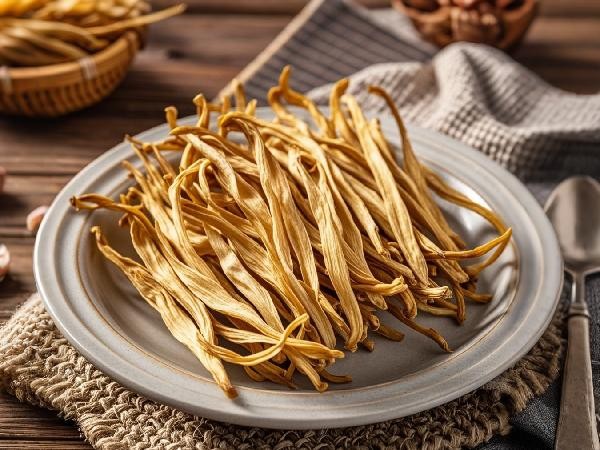
It is recommended to choose dried daylily for safety, and some daylily should be soaked in warm water in advance. Fresh yellow cauliflower must be thoroughly blanched and soaked in water for at least 4 hours, with multiple water changes required during the soaking period. Ensure complete cooking and avoid cold mixed raw food. Children, pregnant women, and those with weak digestive function should be cautious when eating fresh yellow flowers, and seek medical attention immediately if any discomfort symptoms occur. Pay attention to controlling the amount of yellow cauliflower in daily diet and avoid excessive intake.








Comments (0)
Leave a Comment
No comments yet
Be the first to share your thoughts!