
Wrapping the stomach with plastic wrap cannot achieve the scientific weight loss effect, and may also bring health risks such as skin irritation and dehydration.
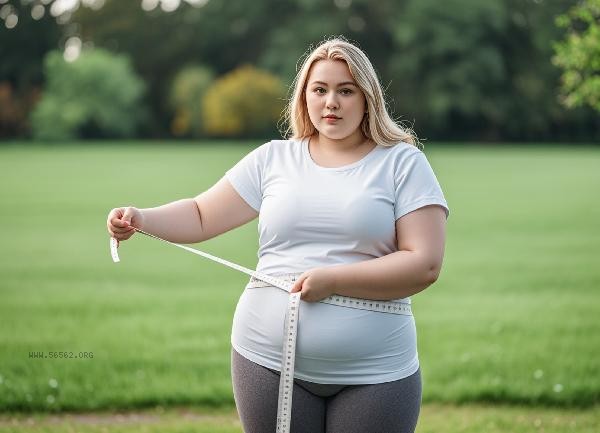
Wrapping the stomach with cling film mainly temporarily seals the local skin, causing increased sweating, resulting in water loss and temporary weight loss. But this kind of weight loss is not fat consumption, once hydrated, the weight will be restored. Long term packaging may cause skin allergies, folliculitis, and even heatstroke. The inability of the skin to dissipate heat properly can lead to an increase in local temperature, accumulation of sweat can easily breed bacteria, and trigger itching or rash. Some individuals may experience discomfort such as dizziness and fatigue due to excessive dehydration.
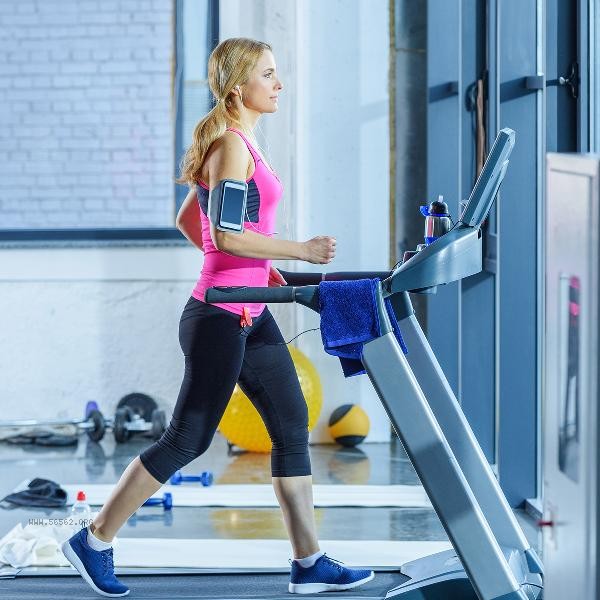
Merely wrapping with plastic wrap cannot decompose fat cells or improve metabolic function. Fat reduction requires a sustained calorie deficit, which can be achieved through a combination of dietary control and exercise. Wrapping plastic wrap during intense exercise may increase the burden on the heart, and the risk is higher in high-temperature environments. Those with damaged skin barrier may aggravate the original dermatitis or infection, and the risk of local blood circulation disorders in diabetes patients is increased.
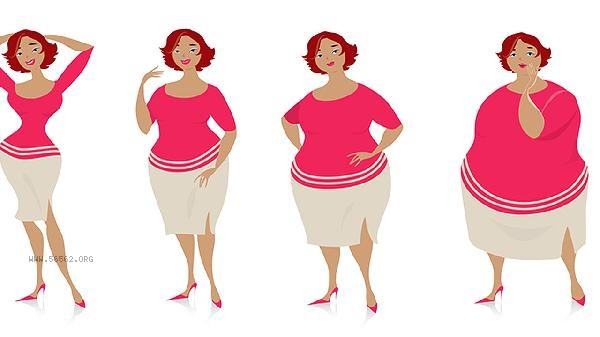
Scientific weight loss recommendations include maintaining a daily calorie deficit of 300-500 calories and losing no more than one percent of body weight per week. Diet can increase the intake of high-quality protein and dietary fiber, such as chicken breast and broccoli. Aerobic exercises such as brisk walking and swimming can be combined with weight training for exercise. Long term sedentary individuals should get up and move around every hour to avoid abdominal fat accumulation. If you need professional weight loss guidance, you can consult a nutritionist or endocrinologist to develop a personalized plan.








Comments (0)
Leave a Comment
No comments yet
Be the first to share your thoughts!