
Chocolate can be eaten in moderation after meals, but attention should be paid to the timing and amount of consumption. Chocolate contains sugar and fat, which may affect digestion or lead to excess calories. Special populations need to choose carefully. The cocoa component in chocolate may stimulate stomach acid secretion, and for healthy individuals, consuming small amounts after meals usually does not cause significant discomfort. Dark chocolate contains high levels of antioxidants, and moderate intake can contribute to cardiovascular health, but high sugar milk chocolate or white chocolate may increase the risk of blood sugar fluctuations. People with weak digestive function may experience acid reflux or bloating. It is recommended to choose varieties with high cocoa content and control single intake.
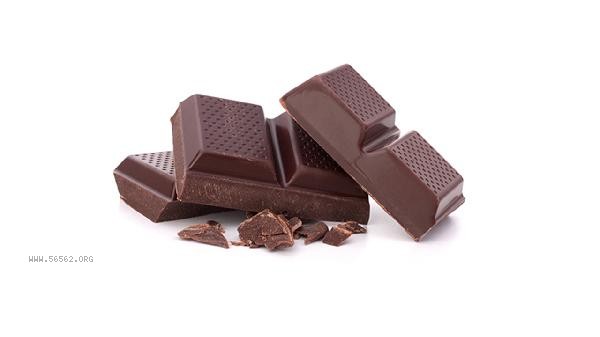
Patients with diabetes, obese people and patients with gastrointestinal diseases should limit chocolate consumption after meals. High sugar chocolate may exacerbate blood sugar fluctuations, while high fat content may slow down gastric emptying. People with symptoms of gastroesophageal reflux may experience reflux when eating chocolate at night. Children should be aware of the risk of dental caries and it is recommended to clean their mouth promptly after consumption. Healthy individuals can choose to consume small pieces of dark chocolate about 1 hour after meals, which can be paired with sugar free tea drinks to help balance taste and health. Total sugar intake should be controlled in daily diet, and chocolate should be used as an occasional sweet supplement rather than a regular meal. For those who have a long-term need for dessert after meals, it is recommended to prioritize low sugar fruits or nuts as a substitute for some chocolate intake, while maintaining regular exercise habits to maintain metabolic balance.










Comments (0)
Leave a Comment
No comments yet
Be the first to share your thoughts!