
It is usually not recommended to consume the remaining portion after cutting off the rotten part of the fruit. Decay may be caused by fungal contamination, bacterial growth, or oxidative reactions, and there are still health risks even if visible parts are removed. When fruits rot, mold may have spread to seemingly intact areas. The toxins produced by mold are heat-resistant and cannot be removed by cleaning. Long term ingestion may damage the liver or cause acute poisoning. Apples, pears, and other fruits that rot are prone to the growth of penicillin, while citrus fruits that rot may produce penicillin, both of which are harmful to health. Bacterial decay is common in soft fruits such as peaches and strawberries, and even if the moldy parts are removed, pathogenic bacteria may still remain, leading to diarrhea.

Some fruits with slight scratches or oxidation discoloration can be consumed shortly after removal, but it is necessary to ensure that there are no mold spots and that the fruit meat is normal. If the black spots on the banana skin do not penetrate the flesh, it is safe to consume. If the apple remains soft and rotten after being partially bumped, it can be removed and consumed as soon as possible. This type of situation needs to be handled and refrigerated within 48 hours to avoid secondary pollution.
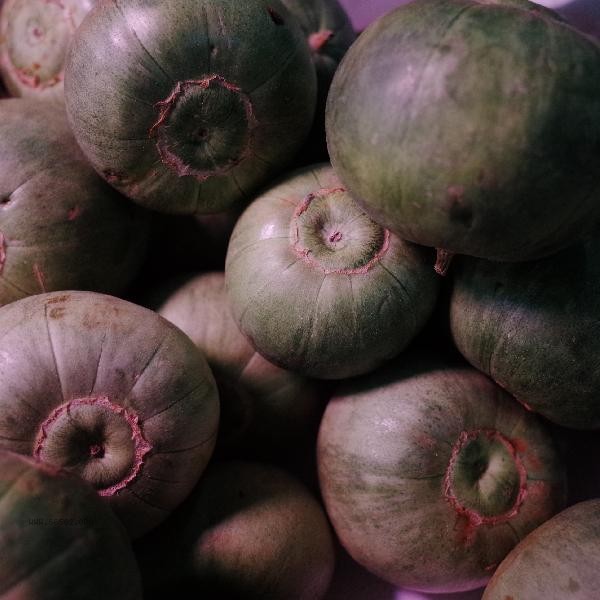
It is recommended to prioritize fresh and intact fruits in daily life, and purchase small amounts to avoid long-term storage. Fruits with minor damage should have their surrounding flesh completely removed by at least 1 centimeter. High temperature heating can reduce the risk of some bacteria, but it is not suitable for moldy fruits. Elderly, children, and immunocompromised individuals should avoid consuming any rotten fruits, and seek medical attention promptly if symptoms such as abdominal pain and vomiting occur.









Comments (0)
Leave a Comment
No comments yet
Be the first to share your thoughts!