
Skipping rope at night can help with weight loss, but it requires a combination of dietary control and regular exercise to achieve the desired effect. Jump rope, as an aerobic exercise, can effectively burn calories and improve cardiovascular function. A study shows that an adult weighing 60 kilograms can burn about 120 calories by jumping rope for 10 minutes, which is equivalent to the energy expenditure of jogging for 20 minutes. The main mechanism of weight loss is that continuous exercise can mobilize fat reserves for energy supply, while promoting an increase in basal metabolic rate through muscle contraction. When doing skipping rope exercise at night, it is important to maintain a 1-2 hour interval from sleep to avoid overexcitement of the nerves that may affect the quality of sleep. It is recommended to use interval training, alternating the skipping rope speed of 140-160 times per minute with a 30 second break, each lasting 15-30 minutes, and maintaining a frequency of 3-5 exercises per week.
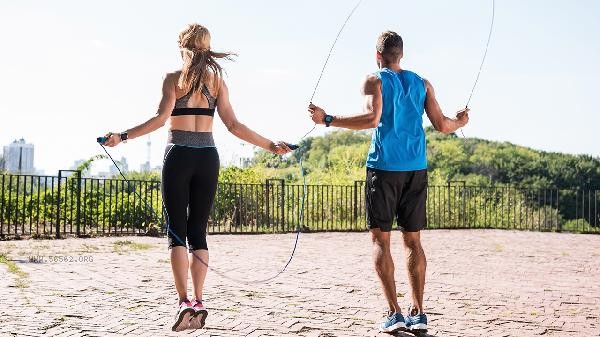
It is important to warm up the joints for 5-10 minutes before exercising, with a focus on moving the ankle and knee joints. Individuals with meniscus injury, lumbar disc herniation, or severe cardiovascular disease should avoid vigorous skipping rope. After exercise, it is important to replenish water in a timely manner. Moderate intake of whey protein rich in branched chain amino acids can help with muscle recovery. Long term adherence to skipping rope combined with a daily calorie deficit of 300-500 kcal usually results in significant weight loss within 2-3 months. Obese patients are advised to start with 5 minutes of low-intensity skipping rope every day, gradually increasing the duration and intensity of exercise. During weight loss, it is important to maintain a balanced diet, increase intake of high-quality protein and dietary fiber appropriately, and reduce refined carbohydrates and saturated fats. Regular monitoring of changes in body fat percentage is more valuable for reference than simply focusing on weight. It is recommended to control the body fat percentage of adult women at 20-25%, while 15-20% for men is healthier. If discomfort symptoms such as knee joint pain occur, adjust the exercise mode in a timely manner and consult a professional physician for advice.









Comments (0)
Leave a Comment
No comments yet
Be the first to share your thoughts!