
Skipping dinner may have a certain impact on short-term weight loss, but it cannot achieve a healthy and sustainable weight loss effect. The core of weight loss lies in the calorie deficit. Skipping dinner may reduce total calorie intake, but it may also lead to metabolic disorders, malnutrition, and other problems. Skipping dinner may lead to weight loss in the short term by reducing calorie intake, but the amount lost is more water and muscle than fat. In a long-term fasting state, the body will enter energy-saving mode, with a decrease in basal metabolic rate, making it easier to accumulate fat. Missing dinner may lead to overeating at breakfast the next day, resulting in excess calories. In addition, long-term non eating may lead to problems such as hypoglycemia, gastrointestinal dysfunction, bile stasis, and women may also face the risk of menstrual disorders.
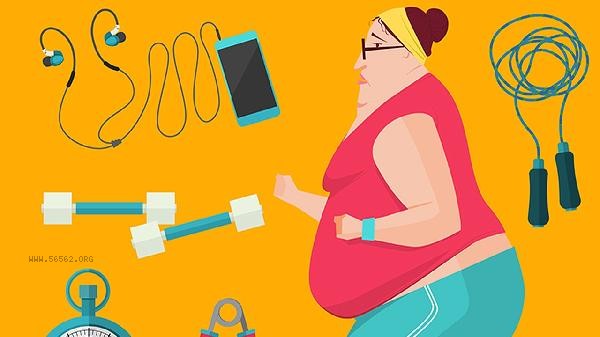
For some people, such as patients with diabetes or gastric ulcer, forced skipping dinner may aggravate the disease. There are also a few studies that suggest that extending fasting time appropriately during intermittent fasting may help regulate metabolism, but such methods need to be strictly controlled under the guidance of a doctor and accompanied by scientific nutritional supplementation and time planning.
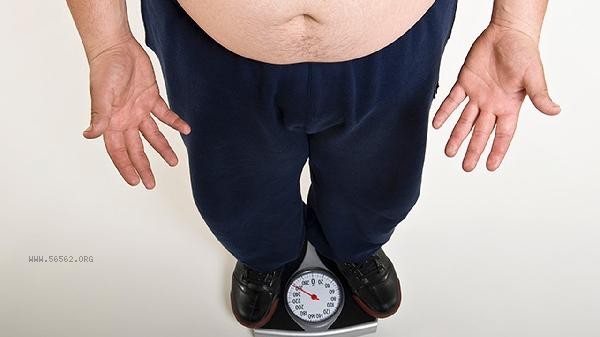
For healthy weight loss, it is recommended to maintain regular three meals. Dinner can reduce the intake of refined carbohydrates, increase the proportion of high-quality protein and dietary fiber, and control eating within 3 hours before bedtime. Cooperate with moderate exercise to increase calorie expenditure, and the weekly weight loss rate should not be too fast. Maintaining 1-2 pounds is more reasonable. If there are obesity related diseases, an individualized diet plan should be developed under the guidance of a nutritionist.









Comments (0)
Leave a Comment
No comments yet
Be the first to share your thoughts!