
Saibijian fruit and vegetable drinks cannot directly help with weight loss. Weight loss requires controlling total calorie intake and combining it with exercise. Fruit and vegetable drinks may contain certain dietary fiber and vitamins, but they cannot replace scientific weight loss methods.

Fruit and vegetable drinks are usually made from concentrated vegetable and fruit juices, containing small amounts of dietary fiber and nutrients such as vitamin C. Some products may add sugar substitutes to reduce calorie intake, but the feeling of fullness after consumption is limited and cannot reduce the intake of regular meals. Long term dependence on such beverages may lead to imbalanced nutrient intake, which in turn affects metabolic function. The core of weight loss is to burn more calories per day than intake, and drinking beverages alone cannot achieve this goal.
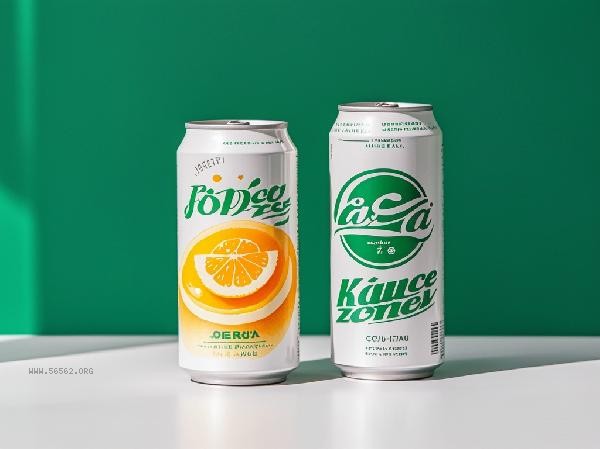
Some fruit and vegetable drinks containing ingredients such as L-carnitine may be labeled as having auxiliary weight loss function, but the actual effect lacks clinical evidence to support it. Excessive consumption of sugary drinks may also stimulate appetite, leading to the intake of more high calorie foods. Special groups such as diabetes patients should be more careful to choose sugary drinks to avoid blood sugar fluctuations.

It is recommended to use fruit and vegetable drinks as a daily dietary supplement rather than a weight loss method, and to prioritize pure fruit and vegetable juice without added sugar, with a daily intake of no more than 200 milliliters. Scientific weight loss should be achieved through reasonable control of dietary calories, increased aerobic exercise, and ensuring high-quality protein intake. If necessary, a nutritionist can be consulted to develop a personalized plan. Maintaining a regular schedule and long-term healthy habits is the key to maintaining weight.








Comments (0)
Leave a Comment
No comments yet
Be the first to share your thoughts!