
Ripe bananas can be frozen for preservation, as freezing can effectively prolong storage time and retain nutrients. Bananas become soft after freezing and are suitable for making milkshakes, ice cream, or baked goods.
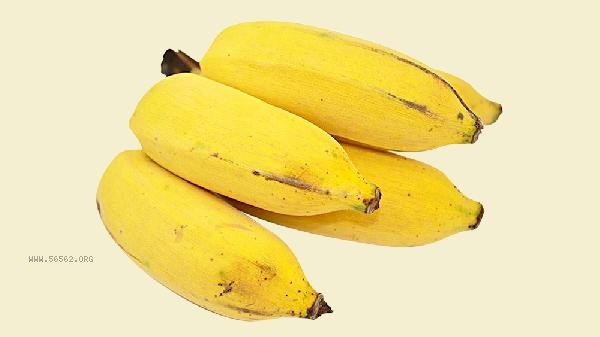
When storing ripe bananas frozen, it is recommended to peel them and cut them into blocks or whole pieces, then place them in a sealed bag, let the air out, and lay them flat for freezing. The sugar and aroma of frozen bananas will be more concentrated, which is suitable for adding to oatmeal Congee, yogurt or muffins as a natural sweetener. During the freezing process, the nutrients such as vitamin B6, potassium, and dietary fiber in bananas will not be significantly lost, but after thawing, the taste will become soft and not suitable for direct consumption. If the banana skin has obvious black spots or the flesh is too soft, check for signs of decay before freezing. Bananas with slight fermentation may have a hint of alcohol taste when frozen and should be consumed as soon as possible. Bananas that have been frozen for more than three months may experience ice crystal precipitation, affecting their flavor. It is recommended to label the date and use them in batches. Frozen bananas can be used as a convenient and healthy food reserve, but it is important to process and consume them as soon as possible after thawing to avoid oxidation and discoloration. Frozen bananas can be paired with nut sauce, chia seeds, etc. in daily life to increase the nutritional density of breakfast. For people with weak digestive function, it is recommended to heat frozen bananas before consumption to reduce irritation to the gastrointestinal tract.








Comments (0)
Leave a Comment
No comments yet
Be the first to share your thoughts!