
White head on rice usually refers to the appearance of white powdery substances at the top of the rice grains. If there is no mold or odor, it can generally be consumed. This situation is often caused by residual rice germ or slight oxidation, and does not affect safety. But if the white head is accompanied by mold, stickiness or odor, it may breed harmful substances such as Aspergillus flavus, and it is recommended to discard it. The white head phenomenon of rice is more common when stored for a long time or when the environmental humidity is high. Embryo is the nutrient rich part of rice, and the incompletely removed embryo debris during processing will form a white powder after drying. This type of white rice only needs to be washed and cooked normally. The white substance caused by oxidation is mostly due to the exposure of starch on the surface of rice grains to the air. Although it may affect the taste, high-temperature cooking can eliminate potential risks. When storing, paying attention to sealing and moisture prevention, and avoiding high temperature environments can effectively reduce such phenomena. When white rice clumps, turns green gray in color, or emits a crackling smell, it indicates that mold has developed. Moldy rice may produce strong carcinogens such as aflatoxins, which are difficult to destroy even when heated at high temperatures. Mild mold growth may only be visible locally, but the toxin may have spread throughout the entire bag of rice. For children, pregnant women, or immunocompromised individuals, consuming moldy rice may cause acute gastroenteritis or long-term liver damage. It is recommended to purchase small packages of rice and store them in a cool and dry place. After opening, consume them as soon as possible.
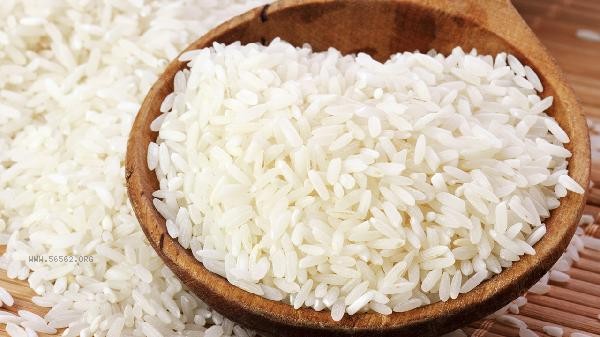
For daily storage of rice, sealed containers can be used and food grade desiccants can be placed to avoid mixing with odorous items. Regularly check the corners of the rice bag for moisture and clumping. If the rice is moldy, it should be discarded as a whole bag and not just a small part. High quality rice should have plump grains and uniform color. Choosing vacuum packaging or products with a recent production date can reduce the risk of spoilage. If there are doubts about the quality of rice, it is recommended to prioritize the consumption of rice grains with normal appearance and no abnormalities.








Comments (0)
Leave a Comment
No comments yet
Be the first to share your thoughts!