
Whether removing dampness can help with weight loss depends on specific circumstances and is closely related to individual constitution and the cause of dampness. In traditional Chinese medicine theory, excessive dampness may lead to metabolic slowdown, edema, and other problems. Moderate dampness removal may indirectly help with weight management, but it is not a direct method of weight loss.
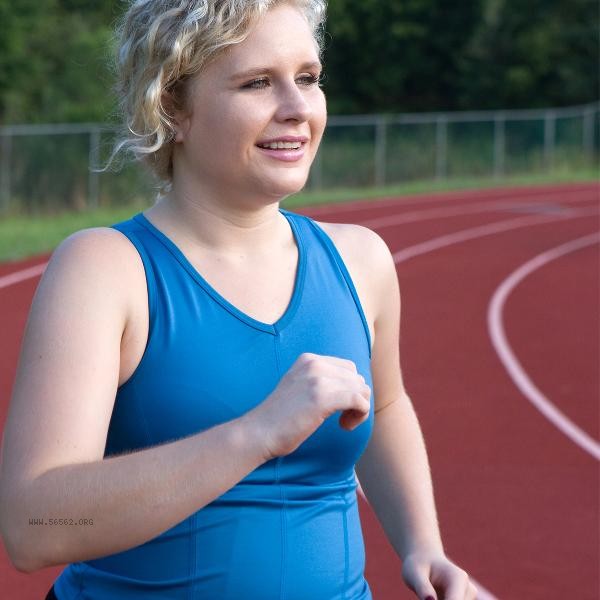
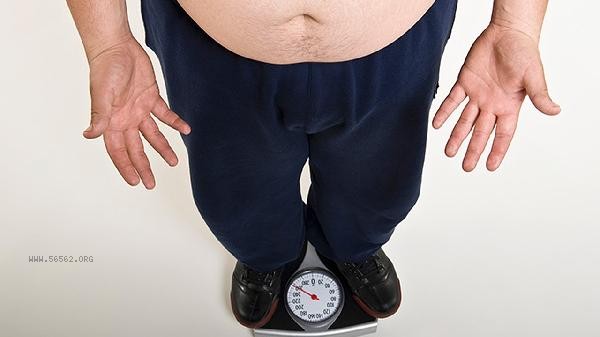
Dampness is common in spleen deficiency constitution, which may be accompanied by symptoms such as weakened digestive function and heavy limbs. After improving dampness through regulating spleen and stomach function, this group of people have enhanced gastrointestinal motility, reduced food residue and water retention, and may experience weight loss. For example, using dietary therapies such as adzuki bean coix seed water, tangerine peel and Poria cocos tea, or moxibustion at acupoints such as Zusanli, can help promote water metabolism. But this type of weight loss is more reflected in the elimination of excess water from the body, with limited impact on fat breakdown. If overweight is mainly caused by fat accumulation, simply removing dampness is difficult to achieve the effect of reducing fat. Fat metabolism needs to be achieved through a calorie deficit, which requires dietary control and exercise. Mistakenly equating dampness removal with weight loss may delay the scientific timing of weight loss, especially for people with damp heat constitution who excessively diuresis may lead to electrolyte imbalance. A common clinical case of malnutrition caused by long-term use of strong anti dampness drugs, leading to a decrease in basal metabolic rate.
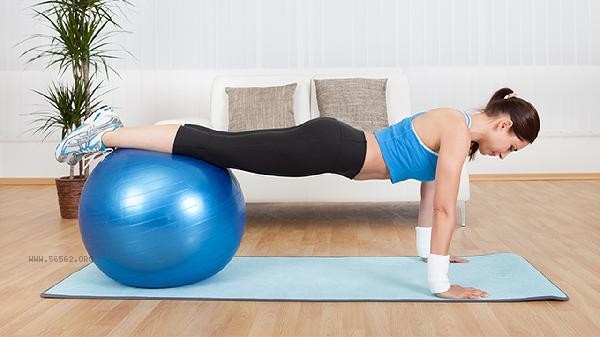
It is recommended that those with heavy dampness accompanied by weight problems first go to a traditional Chinese medicine department for syndrome differentiation and classification, and clarify whether the nature of dampness belongs to cold dampness or damp heat. In daily life, you can choose to use five finger peaches, stir fried white beans, and other ingredients to make soup, avoiding excessive consumption of cold and damp foods that can damage the spleen and stomach. Individuals with excessive body fat should combine aerobic exercise and strength training, maintain 3-5 brisk walks or swimming for at least 30 minutes per week, and adopt a diet that combines coarse and fine grains to ensure high-quality protein intake. Weight changes should focus on body fat percentage rather than just weight values, and personalized plans can be developed at the nutrition department if necessary.








Comments (0)
Leave a Comment
No comments yet
Be the first to share your thoughts!