
Red beans that cannot be cooked until tender are usually not toxic, but may affect digestion and absorption. Red beans have a relatively hard texture. If not fully cooked, their cell walls may not be completely destroyed, and the anti nutritional factors such as phytic acid and saponins they contain may remain, causing gastrointestinal discomfort. Thoroughly cooked red beans are easier to digest and can fully release nutrients such as protein and dietary fiber. Red beans contain natural plant lectins, which may cause mild toxic reactions such as nausea and vomiting when not heated sufficiently. But this substance will be destroyed at high temperatures and can decompose after cooking for more than 15 minutes. If using a pressure cooker or soaking for several hours in advance, it can effectively shorten the cooking time and ensure that the red beans are soft and tender. Red bean skin is thicker, it is recommended to soak in cold water for 6-8 hours before cooking to allow the starch particles to fully absorb water and expand. In rare cases, improperly stored red beans may produce harmful substances such as aflatoxins due to mold growth. These toxins are heat-resistant and carcinogenic. If red beans are found to have mold spots, peculiar smell, or abnormal discoloration, they should be discarded immediately. When purchasing, choose fresh red beans with plump particles and uniform color, and store them in a dry and cool place to reduce the risk of spoilage.
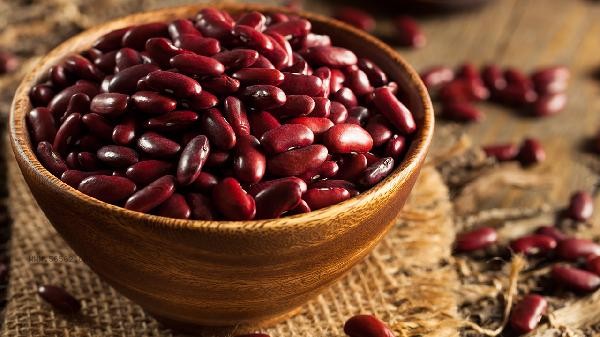
It is recommended to pair red beans with grains such as rice and millet for daily consumption, which can improve protein utilization and reduce gastrointestinal burden. Traditional practices such as Red bean soup and red bean Congee are more suitable for people with weak digestive function. If symptoms such as bloating and diarrhea occur after consuming undercooked red beans, drinking warm water can help with metabolism. If symptoms persist, seek medical attention. Reasonably processed red beans are a safe and high-quality source of protein, and their rich potassium and magnesium elements are beneficial for cardiovascular health.








Comments (0)
Leave a Comment
No comments yet
Be the first to share your thoughts!