
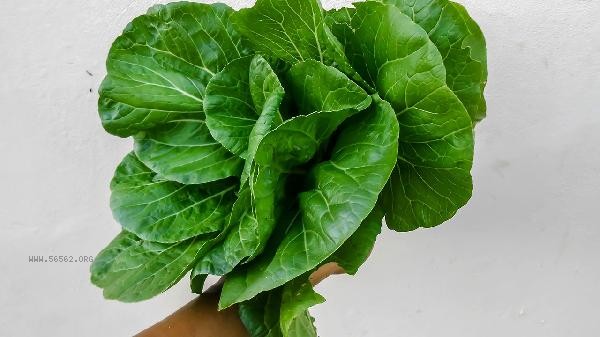
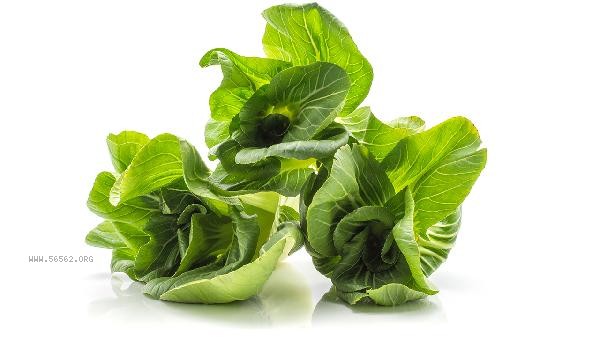
Rapeseed and kelp can be eaten together, and their combination not only does not cause adverse reactions, but also complements each other's nutrition. Rapeseed is rich in vitamin C and dietary fiber, while kelp is rich in iodine and brown seaweed polysaccharides. Eating them together can help promote nutritional balance. However, it should be noted that kelp has a high iodine content, and individuals with thyroid dysfunction should control their intake. When rapeseed is paired with kelp, the crisp taste of rapeseed can neutralize the smoothness of kelp, making it suitable for cold mixing or stir frying. The vitamin C in rapeseed helps to increase the absorption rate of iron elements in kelp, while the brown algae polysaccharides in kelp can synergistically promote intestinal peristalsis with the dietary fiber of rapeseed. When cooking, it is recommended to blanch the seaweed to remove the fishy smell, and then quickly stir fry it with rapeseed to avoid prolonged high temperature damage to nutrition. Special populations such as pregnant women can consume seaweed in moderation, but hyperthyroidism patients need to reduce the frequency of seaweed intake. Kelp is a high iodine food, and long-term excessive consumption may interfere with normal thyroid function. The oxalic acid content in rapeseed is relatively low, and eating it with kelp will not affect calcium absorption. However, for gastrointestinal sensitive individuals, if they consume a large amount of both high fiber foods at the same time, they may experience bloating. It is recommended to include both as part of a diversified diet and consume them together a few times a week to avoid excessive intake of a single ingredient. When mixing cold, a small amount of vinegar can be used for seasoning, which can enhance the flavor and help dissolve minerals.
In daily diet, rapeseed and kelp can be paired with tofu, fungus and other ingredients to enrich the recipe, but the amount should be adjusted according to one's own health condition. Thyroid disease patients should consult a doctor to determine the frequency of kelp intake, and the general population is recommended to consume kelp no more than a few times a week. Keeping ingredients fresh and using light cooking methods can maximize their nutritional value. If gastrointestinal discomfort or allergic reactions occur after consumption, stop immediately and seek medical examination.








Comments (0)
Leave a Comment
No comments yet
Be the first to share your thoughts!