
Raisins cannot directly aid in weight loss, but moderate consumption can have a certain auxiliary effect. Raisins contain dietary fiber, minerals, and other components that may help regulate gastrointestinal motility and metabolism. Raisins have a relatively high dietary fiber content, which can slow down gastric emptying, moderately increase satiety, and reduce the amount of food consumed during meals. Its natural fructose can replace some refined sugar intake, and its potassium content may help regulate fluid balance. If obese individuals choose raisins as a snack to replace high-fat and high sugar foods, it can reduce their daily total calorie intake. Excessive consumption of raisins may actually lead to excessive calorie intake, with nearly 300 calories per 100 grams of raisins. Part of the population may experience bloating and diarrhea due to poor sugar absorption. Diabetes patients need to strictly control their intake to avoid blood sugar fluctuations. It is recommended to consume about 20 grams per day, combined with exercise, to achieve the desired effect.
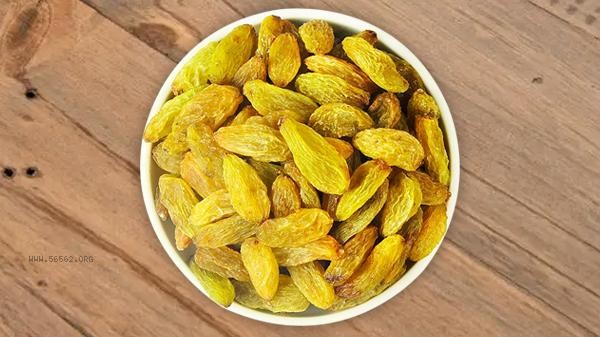
Weight loss should be based on controlling total calories and increasing exercise. Raisins can be used as a healthy snack substitute, but cannot rely on a single food. Long term adherence to balanced diet and regular exercise is necessary, and personalized plans can be sought from nutritionists if necessary.









Comments (0)
Leave a Comment
No comments yet
Be the first to share your thoughts!