
Mushrooms with an ammonia smell are usually not recommended for consumption, as they may have spoiled or been stored improperly. Fresh mushrooms should have a earthy or woody fragrance. If there is a pungent ammonia smell, it is often related to the production of ammonia substances from protein decomposition. Fresh mushrooms have a light odor under normal conditions, and some varieties such as Agaricus bisporus may produce trace amounts of ammonia odor due to their own metabolism, but the odor is mild and not pungent. If stored in a sealed bag for a short period of time after purchase, a small amount of ammonia may also be produced due to respiration. In this case, it can still be consumed with caution after ventilation and odor dissipation. But it is necessary to observe whether the mushrooms are sticky, discolored, or moldy at the same time. If there are no other abnormalities, the bottom of the stem can be removed and fully cooked. If the ammonia smell is strong and pungent, accompanied by a soft texture and surface exudation of mucus, it indicates that microorganisms have multiplied and decomposed proteins in large quantities. These spoiled mushrooms can breed pathogenic bacteria such as Salmonella, which may cause nausea, vomiting, or diarrhea after consumption. Especially if wild mushrooms emit an ammonia odor, they may contain toxins such as muscarinic acid, which cannot be eliminated even by high-temperature cooking and must be discarded immediately. Some vendors soak mushrooms in ammonia water to gain weight, and long-term consumption of such products can damage the gastrointestinal mucosa.
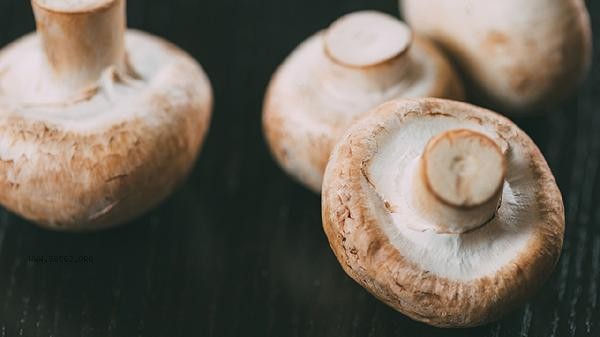
When purchasing mushrooms in daily life, dry and undamaged individuals should be selected, and refrigerated storage should not exceed 3 days. Soak in light salt water for 10 minutes before cooking to help remove residual odors, but if the odor persists, stop eating. Elderly people, children and other immunocompromised groups should avoid consuming mushrooms with abnormal odors, and seek medical attention promptly if they experience abdominal pain symptoms.










Comments (0)
Leave a Comment
No comments yet
Be the first to share your thoughts!