
Mineral water can generally supplement electrolytes and is suitable for drinking during mild dehydration in daily life. Mineral water contains electrolytes such as sodium, potassium, calcium, and magnesium, but the specific content varies depending on the water source. The electrolytes in mineral water mainly come from the dissolution of natural minerals. Sodium and potassium help maintain fluid balance, while calcium and magnesium have a regulatory effect on neuromuscular function. Ordinary mineral water contains about 5-50 milligrams of sodium and 1-10 milligrams of potassium per liter, which can help replenish electrolytes after slight sweating. If you sweat a lot after exercise, relying solely on mineral water may not meet your needs. At this time, it is necessary to choose sports drinks or oral rehydration salts with higher electrolyte content. Some special mineral waters, such as high salinity varieties, have electrolyte contents several times higher than ordinary mineral waters. This type of product is more suitable for drinking after high-temperature work or intense exercise, but long-term excessive intake may increase the burden on the kidneys. Patients with renal dysfunction or hypertension should carefully choose low sodium mineral water to avoid excessive electrolyte intake.
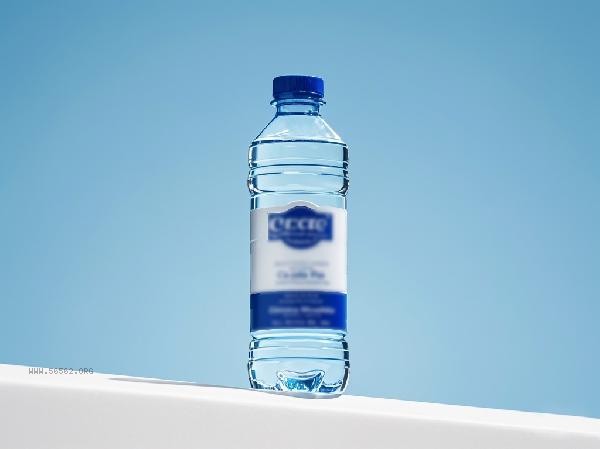
It is recommended to choose regular products that meet national standards for daily consumption of mineral water, and pay attention to checking the electrolyte content in the ingredient list. After exercise, hydration can be achieved by alternating between mineral water and diluted saline water. Dehydration caused by severe diarrhea or vomiting should be treated promptly with professional fluid replacement therapy to correct electrolyte imbalances. Maintaining a balanced diet and moderate intake of potassium and magnesium rich foods such as bananas and spinach can help maintain electrolyte balance.








Comments (0)
Leave a Comment
No comments yet
Be the first to share your thoughts!