
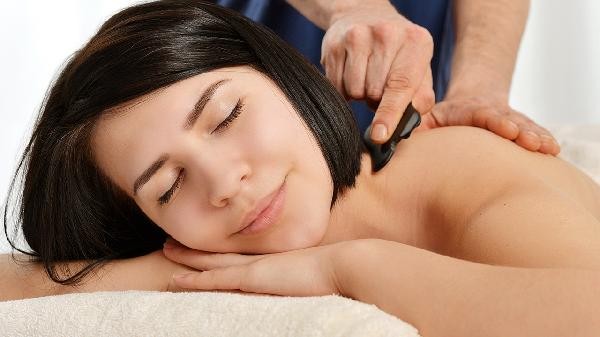
Scraping the legs may not directly achieve weight loss, but it may help promote local blood circulation and metabolism. Weight loss mainly relies on scientific methods that consume more calories than intake, including dietary control and exercise. Scraping therapy is a traditional Chinese medicine treatment that uses specific tools to scrape the surface of the skin, causing slight congestion that may stimulate local blood circulation and lymphatic reflux. For the legs, guasha may temporarily improve swelling and cause slight changes in leg circumference, but this is not due to a decrease in fat. The consumption of body fat requires systemic metabolism through aerobic exercise and other means, and simple local stimulation cannot selectively decompose specific parts of fat. Some people may experience short-term weight loss after scraping therapy, mainly related to water metabolism and muscle relaxation. Excessive reliance on guasha for weight loss may lead to skin damage or delay the scientific timing of weight loss. The standardized scraping operation should be carried out by professional traditional Chinese medicine practitioners to avoid self operation causing subcutaneous capillary rupture or skin infection.

Scientific weight loss recommendations include taking comprehensive measures, maintaining aerobic exercise such as brisk walking and swimming for more than 30 minutes daily, while controlling intake of refined carbohydrates. You can consult a nutritionist to develop a personalized dietary plan, and if necessary, undergo metabolic assessment under the guidance of a doctor. If there is abnormal increase in leg circumference accompanied by pain or skin changes, pathological factors such as venous insufficiency should be prioritized for exclusion.








Comments (0)
Leave a Comment
No comments yet
Be the first to share your thoughts!