
Overnight birthday cakes can generally be consumed after being stored in the refrigerator, but it is necessary to ensure that the refrigeration temperature is appropriate and the storage method is correct. If the cake contains perishable ingredients or is stored improperly, it is not recommended to consume. Cake spoilage may be related to factors such as microbial growth and cream oxidation. It is recommended to assess safety by observing appearance and odor.

Storing cakes in the refrigerator can slow down the growth rate of microorganisms, while a low temperature environment can reduce bacterial activity. When unopened intact cakes are sealed and stored, the oxidation rate of ingredients such as cream and fruits is slower. Using plastic wrap to completely cover or place in a sealed box can prevent cross contamination and moisture loss. In such cases, although the taste of the cake may decrease overnight, it is safer. Cakes containing fresh cream, cheese, or fruit layers are more prone to bacterial growth or mold. If the refrigeration temperature is higher than 4 degrees Celsius or the storage time exceeds 24 hours, the risk of microbial contamination significantly increases. When mold spots, sourness, or a sticky texture appear on the surface of the cake, it indicates that it has spoiled and needs to be discarded. People with diabetes or people with low immunity should avoid eating overnight sweets to prevent health risks.
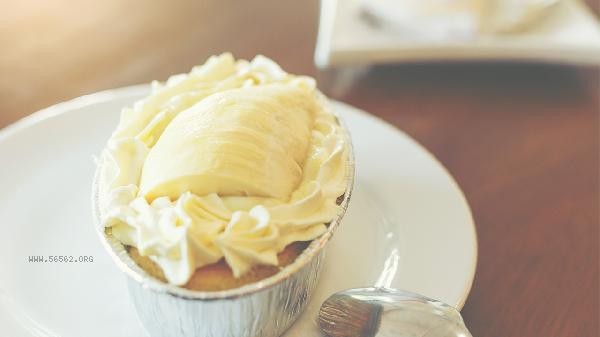
Before consumption, check the cake for any signs of spoilage such as odor, discoloration, or stickiness. It is recommended to pack and store the cake as soon as possible before consumption. Pairing with fresh ingredients can enhance the taste, but it is not advisable to refrigerate and thaw repeatedly. Special populations such as children, pregnant women, or those with weak digestive function should be carefully selected and seek medical attention promptly if they experience discomfort. Pay attention to the cleanliness of the refrigerator and control the storage time during daily storage to avoid cross contamination with other fresh foods.









Comments (0)
Leave a Comment
No comments yet
Be the first to share your thoughts!