
Noodles that are a bit undercooked are generally not recommended for consumption. Jia Sheng noodles may contain bacteria or parasites that have not been fully eradicated, which can easily cause gastrointestinal discomfort. Fully cooked noodles are easier to digest and absorb, and can avoid food safety risks. When noodles are not fully cooked, the starch structure is not fully gelatinized, making it difficult for human digestive enzymes to effectively break them down, which may lead to digestive symptoms such as bloating and abdominal pain. Some people, such as children, the elderly, or those with weak gastrointestinal function, are more likely to experience discomfort after consuming undercooked noodles. The raw material for noodles, wheat flour, may be contaminated with pathogenic bacteria during planting and storage, and sufficient heating is a key step in killing these microorganisms. In some special cases, such as noodles made from sterile flour or instant noodles that have been sterilized at high temperatures, slight undercooked may not immediately cause health problems. However, such situations are rare and caution should still be exercised against potential microbial contamination during subsequent storage. Traditional handmade noodles or fresh noodle products have a higher risk of undercooked consumption due to lack of sterilization treatment.
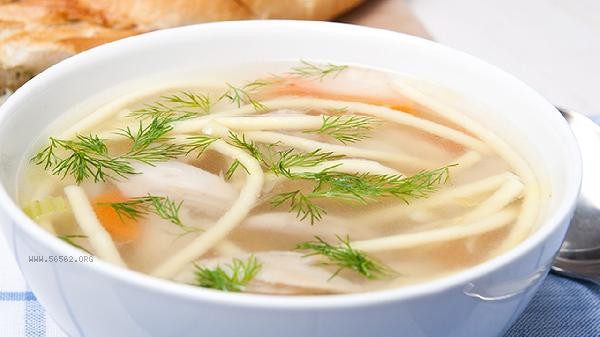
In daily diet, it is important to ensure that the noodles are fully cooked and continue cooking for a few minutes until there are no hard cores after the water boils. If you experience persistent abdominal pain, diarrhea, and other symptoms after accidentally eating raw noodles, it is recommended to seek medical attention promptly. Usually, whole grain noodles can be chosen to increase dietary fiber intake, combined with vegetables and high-quality protein foods to enhance nutritional balance, but all ingredients need to be fully heated to ensure safety.








Comments (0)
Leave a Comment
No comments yet
Be the first to share your thoughts!