
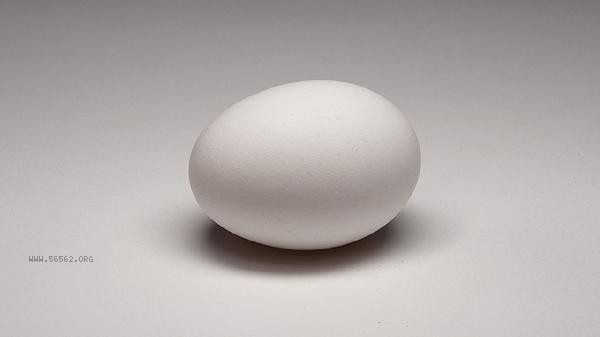
During weight loss, eggs can generally be eaten, which are rich in high-quality protein and have a strong sense of satiety. Eggs contain nutrients such as lecithin, vitamin B12, and vitamin A, which help maintain normal metabolism. Low fat cooking methods such as boiled eggs and steamed egg custard are more suitable for weight loss individuals.

1. High quality protein source
Eggs have high protein bioavailability, with each egg containing about 6 grams of protein, which can help maintain muscle mass. Protein digestion takes a long time and can slow down gastric emptying rate. Moderate intake of protein during weight loss can reduce muscle breakdown and avoid a decrease in basal metabolic rate.
2. Low calorie and high nutrient
A boiled egg has about 70 calories, and the yolk contains trace nutrients such as vitamin D and choline. The lecithin in egg yolk helps with lipid metabolism and does not significantly increase cholesterol burden. It is recommended to consume 1-2 whole eggs daily and supplement dietary fiber with vegetables.
3. Cooking method affects
Fried eggs will add an additional 5-10 grams of oil intake. It is recommended to use a non stick pan and cook with less oil. The sodium content of Tea egg may increase due to long-term brine processing, so people with hypertension need to control their consumption. Steamed egg custard can be enhanced with shrimp and shiitake mushrooms to improve its flavor without adding too many calories.
4. Maintaining satiety
Proteins in eggs stimulate the secretion of cholecystokinin, producing a lasting sense of satiety. Eating eggs for breakfast can reduce total calorie intake by about 200 calories throughout the day. Paired with whole wheat bread or oatmeal, it can form a combination of carbohydrates and protein.
5. Attention to special populations
People who are allergic to eggs should avoid consumption and can choose tofu and chicken breast meat as substitutes for protein intake. Cholecystitis patients need to limit their egg yolk intake to prevent the onset of biliary colic. Individuals with renal insufficiency should control their total protein intake under the guidance of a doctor.

During weight loss, it is recommended to choose fresh eggs and avoid salty eggs, Century egg and other high sodium processed egg products. It can be paired with green leafy vegetables such as broccoli and spinach to balance nutrition. When cooking, use a spray can to control the amount of oil used. Regularly adjust egg practices, such as boiled eggs, Egg&vegetable soup, etc. If strict calorie control is required, a daily combination of 1 whole egg and 2 egg whites can be used. Maintaining a diverse diet while combining aerobic exercise and strength training yields better results.








Comments (0)
Leave a Comment
No comments yet
Be the first to share your thoughts!