
If rice appears white and opaque without mold or odor, it can generally be consumed, which may be caused by the characteristics of the variety, processing technology, or storage conditions. White rice is mainly affected by variety differences, excessive polishing, aging and dehydration, low-temperature frostbite, and slight mold growth.
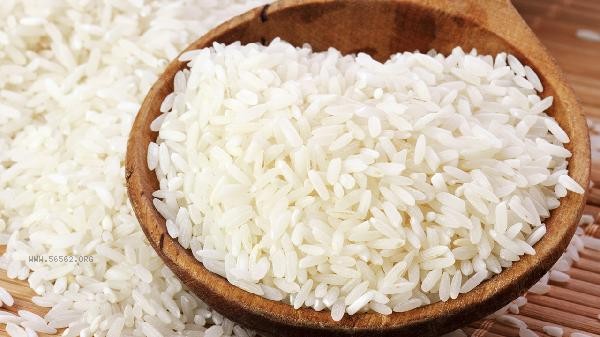
1. Variety Differences
Some rice varieties themselves appear milky white or opaque, such as glutinous rice, fragrant rice, etc. This type of rice has a tight endosperm structure and weak light refraction, which is a normal trait. Northeast japonica rice, due to its high content of amylose, often presents a semi transparent and milky white state, which does not affect its safety for consumption.
2. Excessive polishing
During processing, excessive polishing can damage the surface structure of rice grains, leading to a decrease in transparency. This type of rice has a slight loss of nutrients, but does not produce harmful substances. It is recommended to wash gently to avoid further loss of B vitamins caused by repeated scrubbing.
3. Aging and Dehydration
Rice stored for a long time will gradually dehydrate, resulting in tiny gaps inside the rice grains that enhance light scattering. If there is no Hala flavor or insect infestation, it can still be consumed after sufficient soaking. Suggest mixing aged rice with new rice for steaming to improve the texture and hardness.
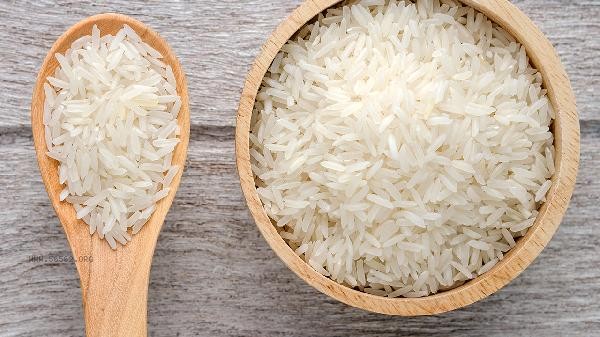
4. Low temperature frostbite
During winter transportation, frozen rice will produce white cracks and undergo physical changes in starch structure. The viscosity of frostbite rice decreases after cooking, but it does not affect the intake of basic nutrients. It can be preferentially used for cooking Congee or processing rice cakes. High temperature cooking can improve the texture.
5. Mild mold growth
During the initial stage of local mold growth, white hyphae will form, and it is necessary to carefully distinguish between mold spots and normal white spots. If the whole rice grain is sticky or has a earthy smell, it is not edible. For rice that is slightly damp, it can be sun dried and sieved to remove spoiled particles.
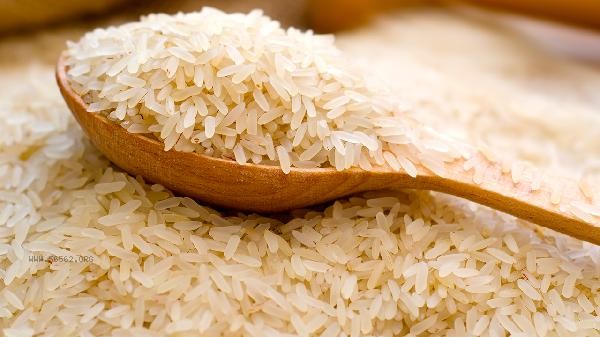
It is recommended to store rice in a sealed container in a cool and dry place for daily use, avoiding high temperature and high humidity environments. Regularly inspect the bottom of the rice tank and promptly deal with clumps or insect eggs found. Before cooking, pay attention to observing whether the color and aroma of the rice are abnormal, as spoiled rice may contain harmful substances such as aflatoxins. Eating mixed grains together can increase the intake of dietary fiber and trace elements. It is recommended to consume about one-third of the total staple food in whole grains every week.








Comments (0)
Leave a Comment
No comments yet
Be the first to share your thoughts!