
Exercise for weight loss can usually help slim down the face. The reduction of facial fat is related to whole-body fat metabolism, and when the overall body fat percentage decreases, facial fat will also decrease accordingly.

Exercise based weight loss mainly promotes whole-body fat burning through aerobic exercise and strength training. When engaging in aerobic exercise such as jogging, swimming, or cycling, the body mobilizes fat as an energy source, and long-term adherence can gradually reduce subcutaneous fat, including the face. Strength training increases muscle mass to enhance basal metabolic rate, indirectly accelerating fat consumption. During the process of weight loss, the reduction of adipose tissue is systemic, and genetic factors determine the order of fat breakdown. Facial fat may show changes later or earlier. Improvement of facial edema may also make the contours clearer. After some people lose weight through exercise, they may experience effects such as reduced double chin and prominent jawline, but the specific changes vary from person to person.
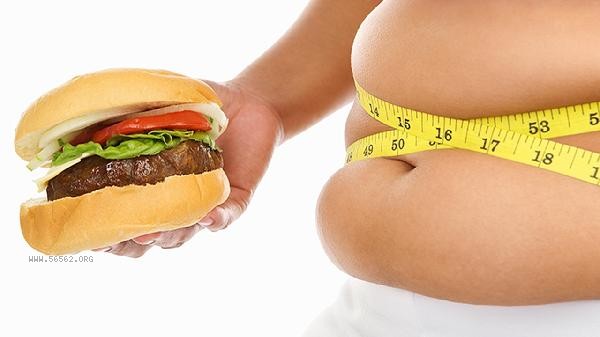
Some people's facial contour problems caused by wide jawbone or well-developed masseter muscle are not related to fat, and simple exercise may not significantly improve them. For individuals with genetic facial fat distribution abnormalities or skin laxity, exercise for weight loss has limited effect on facial shape changes. Dehydration caused by intense exercise in the short term may result in temporary facial emaciation, but it is prone to rebound after returning to normal drinking water.

Continuously engaging in at least 150 minutes of moderate intensity aerobic exercise per week, combined with dietary control, is more conducive to healthy weight loss. To avoid the misconception of local weight loss, it is recommended to monitor the weight loss effect through body fat percentage rather than just focusing on changes in face shape. If you want to improve facial contours in a targeted manner, you can consult a professional doctor to assess whether other intervention measures need to be combined.








Comments (0)
Leave a Comment
No comments yet
Be the first to share your thoughts!